Introduction: Practical Air Duct Cleaning Steps for Readington Homeowners
Not every air duct task requires specialized equipment, but knowing which steps you can safely handle—and which are best left to professionals—helps keep your HVAC system clean and your indoor air healthier. In Readington, New Jersey, where seasons swing from pollen-heavy springs to furnace-focused winters, small habits add up between professional visits. This guide outlines homeowner-friendly steps that make a real difference and explains how they fit alongside a complete, professional service. If you are beginning to evaluate local providers, it also shows you what to look for in a thorough cleaning so you can match your at-home efforts with proven, professional air duct cleaning when the time is right.
Step 1: Start with the Filter
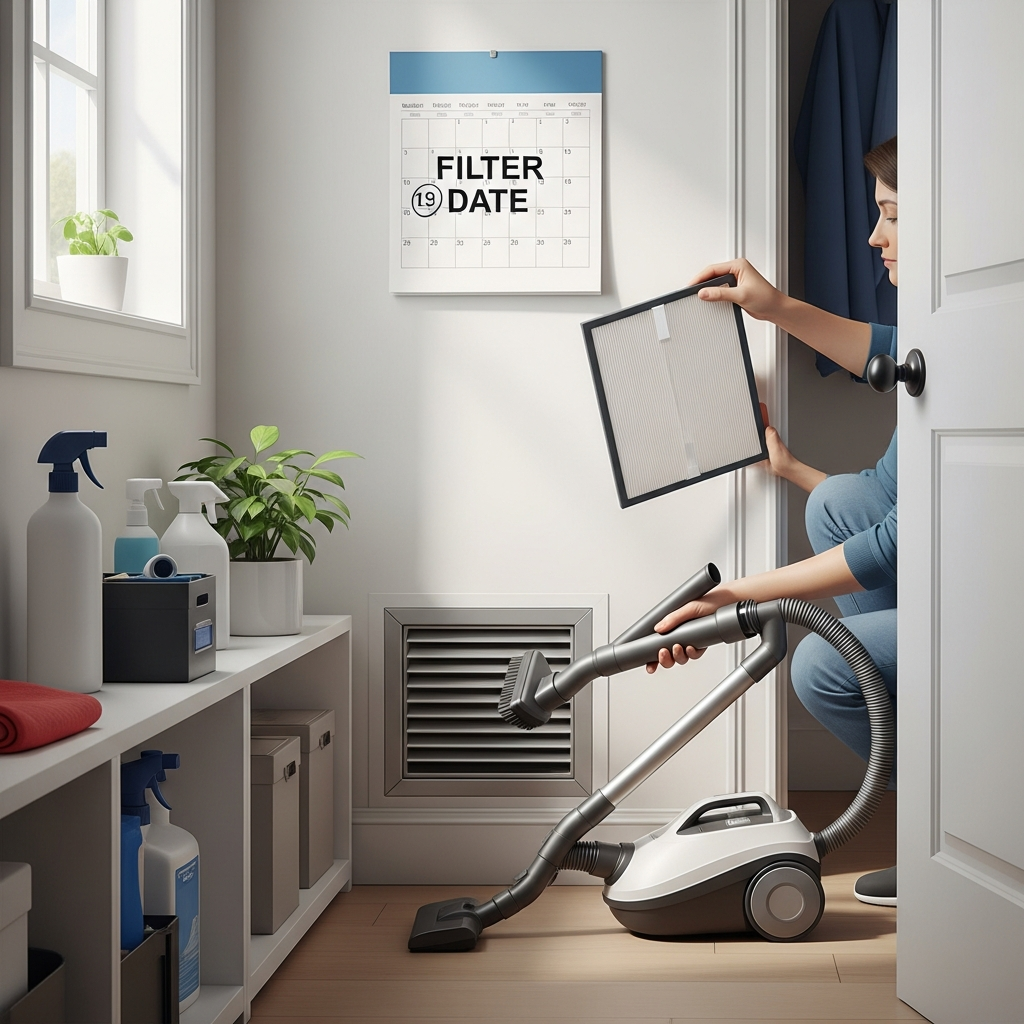
Your filter is the front line of defense against dust, dander, and pollen entering your HVAC system. Choose a filter rated to balance airflow and particle capture for your system’s capacity. Mark your calendar for regular changes, and consider increasing frequency during peak pollen months or if you have multiple pets. Write the install date on the filter frame so you can see at a glance when it is time to replace it. A consistently maintained filter reduces buildup in ducts and supports more stable comfort from room to room.
Step 2: Vacuum and Dust Registers and Returns
A lightweight vacuum with a brush attachment can remove surface dust from registers and return grilles. Remove vent covers carefully, vacuum both sides, and wipe surrounding surfaces. This does not replace professional duct cleaning, but it prevents surface debris from migrating into the system. If you notice heavy accumulation returning quickly, it may signal a deeper issue like debris inside the ducts or a filter that is not performing well.
Step 3: Keep the Area Around Returns Clear
Return grilles work best when air flows freely. Move furniture, curtains, or large objects that block returns. This simple step improves air circulation and reduces strain on your HVAC blower, which can help maintain comfort and consistency. In basements or utility rooms, keep storage from accumulating near the return path so dust-laden air is not drawn from cluttered areas.
Step 4: Manage Humidity and Ventilation
Humidity influences dust behavior and odors. Use exhaust fans while cooking and showering, and consider a whole-home approach to humidity management. Appropriate humidity levels help minimize musty smells and residue on surfaces. Good ventilation practices also keep fresh air moving, which supports your filtration system’s work.
Step 5: Inspect Accessible Duct Joints and Seams
Where ducts are visible—near the air handler or in an unfinished basement—look for loose connections or missing mastic. Sealing accessible joints helps prevent dust infiltration and can improve airflow to distant rooms. Focus on visible, accessible areas only. If you suspect a larger issue, consult a professional rather than opening new access points yourself.
Step 6: Know the Professional Process
Homeowner steps maintain cleanliness, but professional cleaning addresses what you cannot reach. A qualified team follows a structured process: assessment, containment and home protection, negative pressure, mechanical agitation, source removal, component attention, and verification. Understanding this sequence helps you assess quality when you schedule a visit, and it ensures your at-home efforts complement the deeper work rather than trying to replace it.
Step 7: Plan for Seasonal Impacts in Readington
Seasonal changes matter. In spring, pollen increases indoor loads; in summer, humidity can amplify musty odors; in autumn, outdoor dust from yard care can be tracked inside; and in winter, closed windows mean more recirculation of indoor air. Adjust your filter change schedule, housekeeping, and ventilation practices accordingly. Small, seasonal adjustments reduce the frequency with which heavy debris accumulates in your ducts.
Step 8: Watch for Signs That Professional Cleaning Is Due
- Dusty or dirty registers and quick reaccumulation after cleaning.
- Persistent stale or musty odors when the system starts up.
- Uneven temperatures throughout the home despite thermostat settings.
- Recent renovations, drywall sanding, or floor refinishing.
- Increased allergy symptoms indoors that improve when you leave home.
How Pros Protect Your Home
During a professional visit, crews use floor coverings, seal registers strategically, and establish negative pressure to keep debris from entering your living areas. They plan access points carefully, work methodically through branches and trunks, and capture material using HEPA filtration. They also assess coils, blower wheels, and drain pans as part of the agreed scope. At the end, they verify results with photos and a written summary, explaining any recommended repairs or sealing to sustain improvements.
Balancing DIY and Professional Help
Think of your efforts as routine maintenance between deeper cleanings. Your filter habits, register cleaning, humidity control, and basic duct sealing in accessible areas are powerful. When combined with periodic, professional source removal, the result is cleaner air, steadier comfort, and longer-lasting system performance. In the middle of your planning, review local standards for Readington air duct cleaning services so the professional work you choose aligns with proven methods and complements the steps you are already taking at home.
Frequently Asked Questions
Q: Can homeowners clean ducts themselves? A: You can manage filters, registers, and visible joints, but comprehensive duct cleaning requires specialized tools, negative pressure, and training to protect the system and achieve thorough results.
Q: How often should I change filters? A: Follow manufacturer guidance and adjust based on pets, pollen season, and household activity. Many homeowners change filters every one to three months.
Q: Are scented products helpful for odors? A: Fragrances can mask odors but do not solve underlying debris or moisture issues. Address the source for lasting results.
Q: Should I seal every duct I can reach? A: Seal accessible joints and seams you can reach safely. For concealed areas or suspected widespread leaks, consult a professional.
Q: Will duct cleaning help with allergies? A: It can reduce recirculated dust, pollen, and dander that originate in ducts. Pair it with high-quality filtration and routine cleaning for best results.
Q: How do I prepare for a professional visit? A: Clear access to key areas, secure pets, and make a list of comfort or odor concerns to discuss with the technician.
Q: Is the process noisy? A: Equipment makes normal operating sounds, and doors may open as tools are moved. Crews will communicate timing and expectations.
Q: Do pros clean the furnace or air handler? A: Components are inspected and addressed according to the agreed scope. Clarify this during scheduling.
Make Your Next Move
If you are ready to combine smart at-home maintenance with a thorough, professional service, schedule a visit with a trusted local team. Book your appointment for professional air duct cleaning in Readington and enjoy cleaner air and steadier comfort in every season.
