Introduction: Air Duct Cleaning Tips for Allergy Relief in Readington
When seasonal pollen and everyday dust converge, allergies can flare indoors even when windows are closed. Readington, New Jersey experiences a full range of allergy triggers—spring blossoms, summer grasses, autumn leaves, and the constant presence of indoor dander and fibers. The good news is that a thoughtful approach to air duct hygiene, filtration, and housekeeping can make a noticeable difference. This guide shares practical air duct cleaning tips tailored to allergy relief, explains how duct hygiene ties into your HVAC system’s performance, and shows when to call in professionals. If you are exploring local options for air duct cleaning, use these tips to align your choice with proven strategies that help allergy sufferers breathe easier.
Why Duct Hygiene Matters for Allergies
Air moves through your ductwork dozens of times a day, carrying not only temperature but also particles that influence how you feel. Even with routine housekeeping, ducts can accumulate dust, pollen, and dander that may reenter the air stream during each cycle. Professional source removal reduces the reservoir of debris inside the system. When combined with quality filters and targeted cleaning habits, it helps decrease airborne irritants that trigger sneezing, congestion, and itchy eyes.
Filter Strategy: Your First Line of Defense
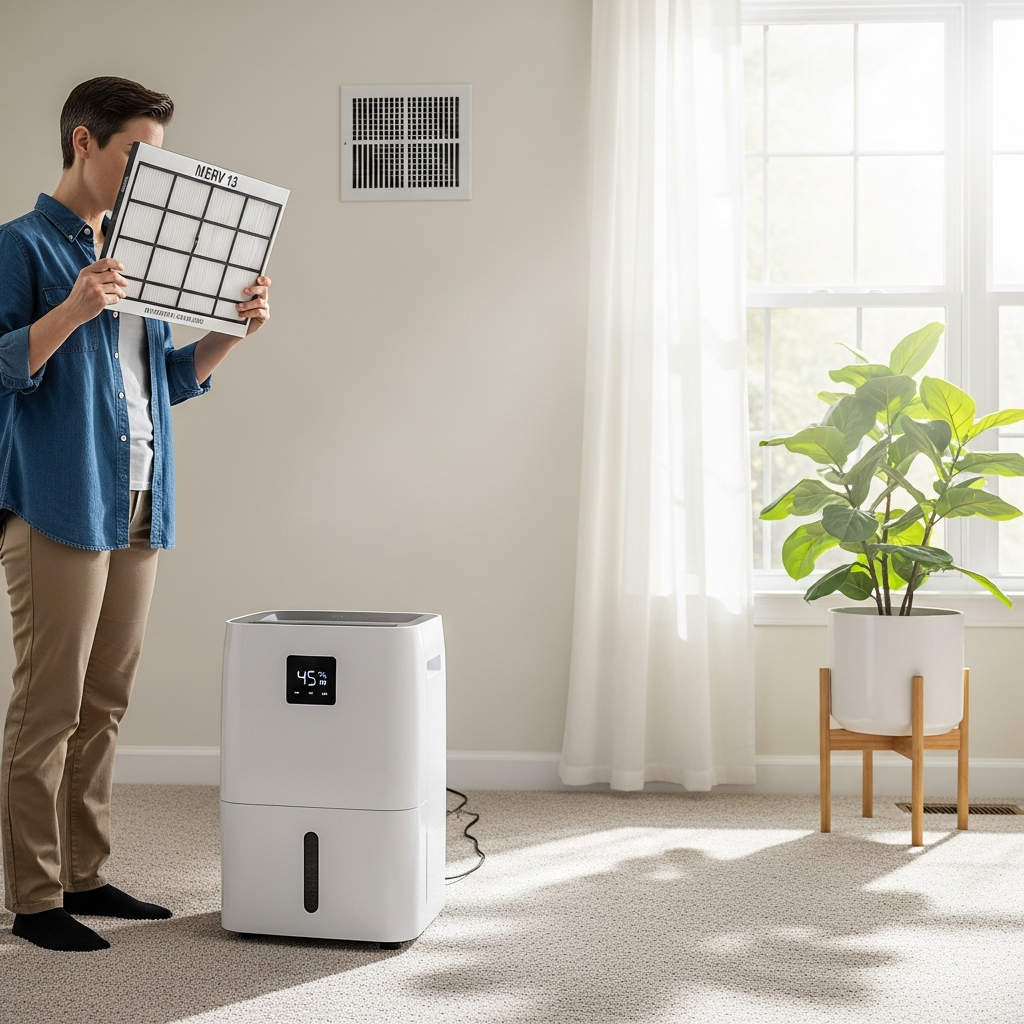
- Choose a filter with a rating that balances airflow with fine particle capture. Allergy-prone households often benefit from higher-performance filters compatible with their system.
- Change filters on schedule and more frequently during peak pollen season or when you notice increased dust.
- Write the date on the filter frame and set reminders. Consistency matters more than any single upgrade.
- Ensure a tight fit so air cannot bypass the filter around the edges.
Register and Return Hygiene
- Vacuum registers and returns with a brush attachment to remove dust and pet hair that collect on grilles.
- Wipe surrounding walls and trim, where dust tends to cling, to prevent it from being pulled inside.
- Keep furniture and curtains from blocking returns so the system can move air efficiently through the filter.
Professional Cleaning: What Allergy-Focused Service Looks Like
For allergy relief, thoroughness and containment are critical. A professional crew protects flooring, seals registers strategically, and establishes negative pressure so dislodged debris is captured rather than released into rooms. They select agitation tools appropriate to your duct material, work systematically from branches to trunks, and address accessible components like coils and blower wheels. Documentation—before-and-after photos and a written summary—shows what was removed and where any trouble spots remain. This transparency helps you pair professional work with your ongoing allergy control routine.
Humidity, Odors, and Allergy Comfort
Humidity influences how particles behave and how the air feels. Excess moisture can make dust feel heavier and can contribute to musty odors. Manage humidity with bathroom and kitchen exhaust, and consider whole-home solutions if needed. Balanced humidity supports both filter performance and overall comfort for sensitive individuals.
Flooring, Fabrics, and Duct Dust
Indoor dust is a mix of fibers, skin flakes, soil, pollen, and pet dander. Area rugs, drapes, and upholstered furniture collect and release these particles. Vacuum high-traffic floors and rugs with a unit that captures fine particles well, launder bedding and washable curtains regularly, and consider reducing heavy fabric accumulation in sleeping spaces for the most relief. These habits lighten the load that reaches your returns and ultimately your ducts.
Renovations and Seasonal Surges
After sanding, sawing, or other dust-producing projects, duct inspections can catch whether fine dust has settled inside. Likewise, after high-pollen weeks in spring and late summer, expect more dust at registers and filters. Adjust cleaning routines seasonally—more frequent filter changes, extra vacuuming around returns, and a quick check of registers can go a long way toward comfort.
When to Call for Professional Help
- Persistent indoor allergy symptoms even after improving filtration and housekeeping.
- Visible dust inside registers, rapid dust return on surfaces, or stale odors at system startup.
- Recent renovations or events that may have released fine particulates into returns.
- Uneven airflow that leaves certain rooms stuffy or uncomfortable.
Choosing Allergy-Savvy Pros in Readington
Ask prospective providers how they handle containment and negative pressure, what tools they use for different duct materials, and how they verify results. Share your allergy concerns up front so the team can plan extra care with sealing, filtration during work, and home protection. In the middle of your selection process, compare options against established best practices for Readington air duct cleaning services. The right partner will provide documentation that helps you track improvements and plan future maintenance.
Simple Daily and Weekly Habits for Allergy Relief
- Shoe-off policy at entry to reduce tracked-in pollen and soil.
- Regular dusting with slightly damp cloths to capture particles rather than scatter them.
- Frequent vacuuming with a unit designed to capture fine particles effectively.
- Weekly laundering of bedding and pillow protectors; consider hot water cycles when appropriate for allergy control.
- Pet care routines—brushing and cleaning pet bedding—to reduce dander that can be drawn into returns.
FAQ: Air Duct Cleaning and Allergy Relief
Q: Will duct cleaning cure allergies? A: No single step cures allergies, but reducing dust, pollen, and dander stored inside ducts can help decrease triggers. Best results come from combining professional cleaning with filtration and smart housekeeping.
Q: How often should ducts be cleaned for allergy control? A: Frequency depends on factors like pets, pollen exposure, renovations, and filter habits. Inspections can determine when cleaning is truly needed.
Q: Can I stay home during the appointment? A: Yes. Expect normal equipment sounds and some door movement as crews bring in tools and hoses.
Q: Will cleaning remove odors? A: It can reduce dusty or stale smells caused by debris inside ductwork. If moisture or another source drives odors, additional steps may be recommended.
Q: What about filters marketed for allergies? A: Higher-performance filters can capture finer particles, but they must be compatible with your system to avoid restricting airflow. A professional can help you choose wisely.
Q: Do fabric choices affect allergies? A: Yes. Heavy textiles trap and release dust. Simplifying fabrics in sleeping areas can improve comfort for sensitive individuals.
Q: Can duct sealing help? A: Sealing accessible joints reduces dust infiltration and can support cleaner, more efficient airflow.
Q: Are chemical treatments necessary? A: Focus first on mechanical source removal. If specific concerns remain, discuss targeted options with a professional who can explain benefits and limitations.
Start Feeling Better Indoors
If you are ready to combine smart habits with a thorough professional service focused on cleanliness and containment, now is a great time to act. Schedule your appointment for professional air duct cleaning in Readington and take a confident step toward calmer, cleaner air for everyone at home.
