In Readington, New Jersey, homeowners often wonder how long a professional dryer vent cleaning takes and what factors influence the overall scope of work and planning. A safe, efficient dryer system depends on clear airflow, correct materials, and a termination that opens freely to the outdoors, which is why routine service is vital. When you schedule dryer vent cleaning with a trusted local provider, your appointment includes more than just removing lint; it also involves a careful check of the vent path, components, and performance indicators that shape the timeline and the complexity of the visit. This guide explains the typical stages, how to prepare your home, seasonal considerations for Readington, and the elements that can extend or streamline the cleaning process.
Why dryer vent cleaning matters in Readington
Dryer vents accumulate lint, fabric fibers, and fine debris from every cycle. Over time, this build-up narrows airflow, making the dryer work harder and potentially raising safety risks. In Readington’s climate, with damp springs, humid summers, and chilly winters, moisture carried in a constricted vent can condense and cling to lint, compounding obstructions. Regular service helps restore clear airflow, supports shorter drying times, reduces wear on the appliance, and maintains a margin of safety for your household. Beyond performance, proper venting protects walls and ceilings from hidden moisture, prevents back-drafting of warm, humid air, and ensures the outside termination flap can open and close without resistance.
Typical steps in a professional appointment
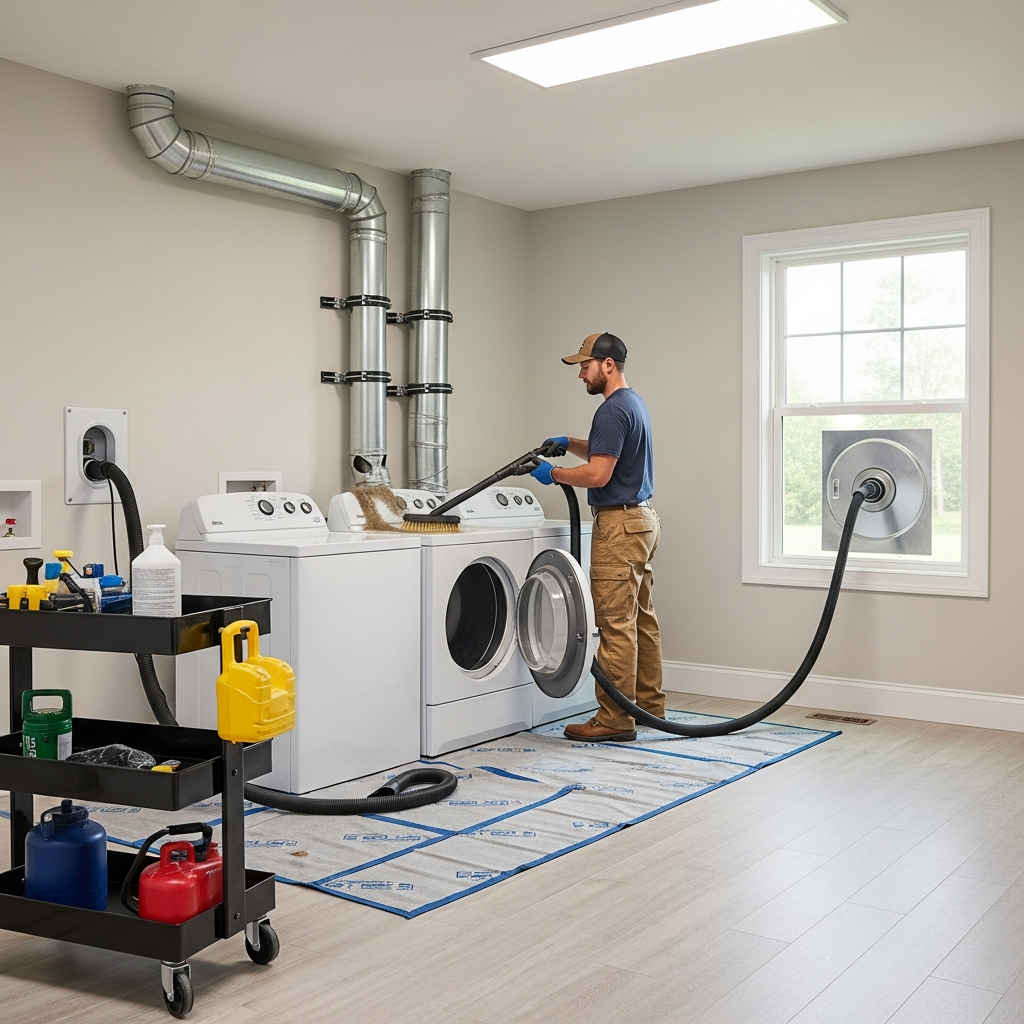
While each home is unique, most cleanings follow a well-defined process designed to minimize disruption and maximize results. The technician greets you, walks through the laundry space, confirms the dryer’s fuel type, and notes the vent route from the appliance to the outside. After moving the dryer as needed, the pro inspects the transition duct, clamps, and the wall or floor connection point. Next comes airflow testing or observational checks, followed by mechanical brushing and vacuum extraction through accessible segments of the system. Where appropriate, technicians brush from both the appliance side and the exterior termination to liberate stubborn accumulations. A final check confirms that the flap opens under airflow, the transition duct is secure and kink-free, and the dryer exhausts warm, moist air effectively.
How long does dryer vent cleaning usually take?
Many appointments are completed within a single visit lasting about an hour or a little more, though the timeline can expand for longer or more complex vent runs, rooftop terminations, multiple elbows, or heavy lint mats combined with pet hair and remodeling dust. Homes with accessible wall terminations at a reasonable height and a short, straight duct tend to conclude sooner. By contrast, a vent that travels through crawlspaces, attics, or inter-floor chases can require additional setup, protective measures for finishes, and extended brushing time. The presence of a booster fan, secondary lint traps, or bird guard assemblies may also add steps to the visit. A conscientious technician works methodically, documenting concerns and confirming that each segment is cleared before reassembling the system and testing the dryer.
Key factors that influence the scope and duration
Several home and system characteristics drive how involved a cleaning becomes. Vent length is a major factor; longer runs accumulate more lint and friction, requiring more passes with rotary brushes. The number and severity of elbows slow airflow and collect debris on inner bends. Material type matters as well: rigid metal duct is ideal, semi-rigid is common for the short transition, while thin plastic or flexible foil (which many manufacturers and codes discourage) can trap lint and collapse under stress, potentially complicating the process. Outdoor termination style also plays a role; a low wall exit with a simple hood is straightforward, whereas soffit or roof terminations can be harder to reach and evaluate. Finally, the dryer’s condition and usage habits—frequent bulky loads, pet blankets, or heavy towel cycles—can accelerate lint accumulation and extend cleaning time.
Preparation steps homeowners can take
A few simple actions before your appointment help the technician work efficiently. Clear the space around the dryer so it can be moved safely without scraping flooring or cabinetry. Remove laundry baskets, detergents, and storage bins that block access. If the laundry room doubles as a utility or mudroom, pick up loose items and sweep the floor to minimize dust stirred during the visit. It is also helpful to ensure pets are secured in another room so the tech can prop open a door if necessary while passing hoses and equipment. If your dryer’s power cord or gas line is difficult to reach, alert the technician during the initial walkthrough so they can coordinate shutoff steps responsibly. Accessible parking near the entry point further reduces setup time.
Seasonal timing considerations in Readington
Readington experiences damp transitions between seasons and hot, humid summers, both of which increase moisture in laundry loads. Moist conditions allow lint to mat more tightly inside ducts, and in winter, cold exterior walls can intensify condensation in under-insulated runs. For these reasons, many residents plan their annual cleaning either ahead of humid summer months or directly after the high-laundry holiday period. Scheduling strategically may also align with your family’s calendar—sports uniforms, school clothes, and frequent towel loads amplify lint production. If you notice longer cycles or warmth and humidity building in the laundry area, it is wise to move your appointment sooner rather than later to reduce strain on the appliance and improve efficiency.
Warning signs you need cleaning sooner
There are several clues that your vent needs attention. Clothes emerging damp after a normal cycle, hot-to-the-touch dryer surfaces, or a laundry room that feels muggy indicate poor exhaust flow. A musty odor, lint accumulating behind or beneath the machine, or an exterior flap that barely opens also point to a restriction. If the dryer’s control panel displays vent-related alerts on certain models, that warning is a direct sign of reduced airflow. Additionally, if you recently remodeled, sanded drywall, or ran multiple loads of blankets and pet bedding, lint and fine dust can combine into dense layers faster than usual. If birds or small wildlife nest near the termination hood in spring, obstructions may form even in homes that were serviced within the past year.
Elements that can expand the project
Although many cleanings are relatively straightforward, a few conditions commonly extend the visit length. Rooftop terminations often involve ladder safety setup, additional protective measures, and extra checks to ensure the roof cap opens freely and seals correctly against weather. If a vent path runs through a crawlspace or attic, technicians may need to stage drop cloths and lighting and carefully navigate tight areas. Substandard or damaged materials also add complexity; thin, flexible foil duct can tear, and plastic sections may require replacement for safety and performance. Crushed or kinked transition ducts behind stacked units are another frequent discovery. Finally, if a booster fan is present on a longer run, it needs attention and testing, and in some cases, a separate cleaning.
What to expect after cleaning
Once the duct is clear and the dryer reconnected, you should notice faster, more consistent drying and a steadier exhaust sound at the termination. The laundry area should feel less humid, and light lint dust that used to settle behind the dryer should diminish. Technicians typically demonstrate airflow improvement or simply encourage you to observe the exterior flap. They will also verify that the transition duct has a smooth, short path without sharp bends. If underlying issues remain—such as an excessively long vent path that is beyond the appliance manufacturer’s recommended run—your technician may outline options, like route improvements or component upgrades, to enhance performance in the future.
How “effort level” relates to planning
Because every home’s vent layout is different, professionals assess the level of effort—length, access points, fittings, and the density of debris—to plan the visit. While homeowners often focus on the calendar time for a single appointment, keep in mind that thoughtful preparation, careful brushing, and thorough clean-up are what produce reliable results. If your home has a stacked laundry closet, a long horizontal run to an exterior wall, and a façade that requires ladder access, your technician will plan accordingly. The same goes for older homes that were retrofitted with venting or for multi-family buildings with unique routing to maintain fire separation. Emphasizing methodical work rather than speed helps protect finishes, keep the duct intact, and ensure airflow returns to its target range.
How to streamline the visit
Homeowners can make a tangible difference in the appointment timeline. Clearing access is the first step, but you can also locate your exterior termination ahead of time, trim overgrown shrubs near the hood, and check that outdoor furniture or grills are out of the way. If you have documentation from a prior cleaning—notes on vent length, termination style, or photos—share them during the walkthrough so the tech can quickly confirm conditions. If your washer and dryer sit on trays or pedestals, verify they can be moved safely. For gas dryers, know where the shutoff valve is located. Taking these steps can shave minutes from setup and reduce back-and-forth movements once the technician begins.
DIY tasks versus professional service
Homeowners can routinely clean the lint screen and wipe the moisture sensor bars inside the drum, both of which support consistent performance. You can also periodically vacuum dust behind the machine and around the wall penetration if visible. However, brushing and vacuuming the full vent path, handling ladders, or servicing a roof termination is best left to a trained professional with the right tools and safety practices. A pro’s equipment—rotary brushes, high-powered vacuums with filtration, and inspection tools—reaches sections that are otherwise inaccessible and protects delicate ductwork from punctures or separations. Moreover, a technician can identify noncompliant materials, recommend route improvements, and verify that the termination is properly screened for pests while still allowing free airflow.
Choosing a qualified local provider
In Readington, familiarity with local housing styles is valuable. From older homes with long retrofitted runs to newer construction with compact laundry closets, an experienced technician understands how to approach each layout. When selecting a company, ask about their process, how they protect flooring and finishes, and whether they include a final airflow check. It is reasonable to request photos of the exterior termination before and after cleaning and to hear a brief summary of any recommendations. A provider that prioritizes safety, careful handling of appliances, and clear communication will deliver a more predictable appointment and a better long-term outcome. If you are uncertain about whether a roof or soffit termination is present, mention it during scheduling so the technician can bring the right equipment and plan accordingly.
Midway through your research, you might compare basic maintenance with comprehensive service that includes inspection and documentation. When you decide you are ready to book, look for expertise in both single-family and multi-unit settings, and verify they are comfortable with gas and electric dryers. A reputable team will adapt to your layout, provide a straightforward plan, and explain post-cleaning care. If you are ready to move forward with a Readington specialist who takes a methodical approach, consider scheduling professional dryer vent cleaning so your appliance can operate as intended.
Frequently asked questions
Q: How often should a typical Readington home schedule dryer vent cleaning? A: Many households benefit from an annual visit, though high-usage homes with frequent towel or bedding loads, pet hair, or a long vent run may prefer a shorter interval. If you notice longer dry times, odors, or a sluggish exterior flap, move the appointment sooner.
Q: How long will an appointment take? A: For straightforward runs, plan for roughly an hour, allowing extra time for longer, more complex paths, rooftop terminations, or units tucked into tight closets. The goal is a careful, complete job rather than rushing.
Q: Can I stay home during the visit? A: Yes. The technician will need access to the laundry area and the exterior termination. If you are working from home, alert the pro to any conference calls so they can coordinate loud vacuum steps accordingly.
Q: What if my termination is on the roof? A: Roof terminations add setup and safety steps, which can lengthen the visit. A trained technician will use appropriate protective measures and verify that the cap opens correctly before completing the job.
Q: Are there warning signs of a blocked vent besides long dry times? A: Yes. A hot or humid laundry room, a burning or musty smell, lint streaks behind the dryer, or a vent flap that barely opens are common indicators. Some dryers also display a vent alert.
Q: Will cleaning improve energy efficiency? A: Restored airflow allows the dryer to remove moisture more quickly, which reduces run time and unnecessary heat cycling. That typically lowers wear on the appliance and supports efficiency over time.
Q: What about townhomes or condos? A: Multi-unit buildings often have unique vent routing and access. Mention your setup when scheduling so the technician plans for parking, ladders, and any building access rules.
Q: Can pets or birds affect the vent? A: Pet hair combines with lint to form dense mats. Outdoors, birds or small animals may nest in poorly protected hoods. Proper screening and periodic checks reduce these risks while preserving airflow.
Next steps for Readington homeowners
If your laundry is taking longer, the dryer feels hot to the touch, or you are due for routine maintenance, now is an excellent time to schedule service. A methodical cleaning helps protect your home, your appliance, and your peace of mind. For a thorough visit from a local team that understands Readington’s housing styles and seasonal challenges, book professional dryer vent cleaning and enjoy faster cycles, steadier performance, and safer operation.
