Why Code Requirements Matter for Dryer Vent Installation
Dryer vent codes exist to prevent fires, moisture damage, and indoor air contamination. A compliant installation keeps lint moving outdoors, reduces overheating risks, and preserves the integrity of your home’s building envelope. In Readington, New Jersey, adherence to national standards and state-adopted codes helps ensure performance across four distinct seasons. While specific enforcement can vary, understanding common requirements makes it easier to design and verify a safe system. If you are upgrading an older home or finishing a remodel, aligning with dryer vent code requirements will protect your investment and your household.
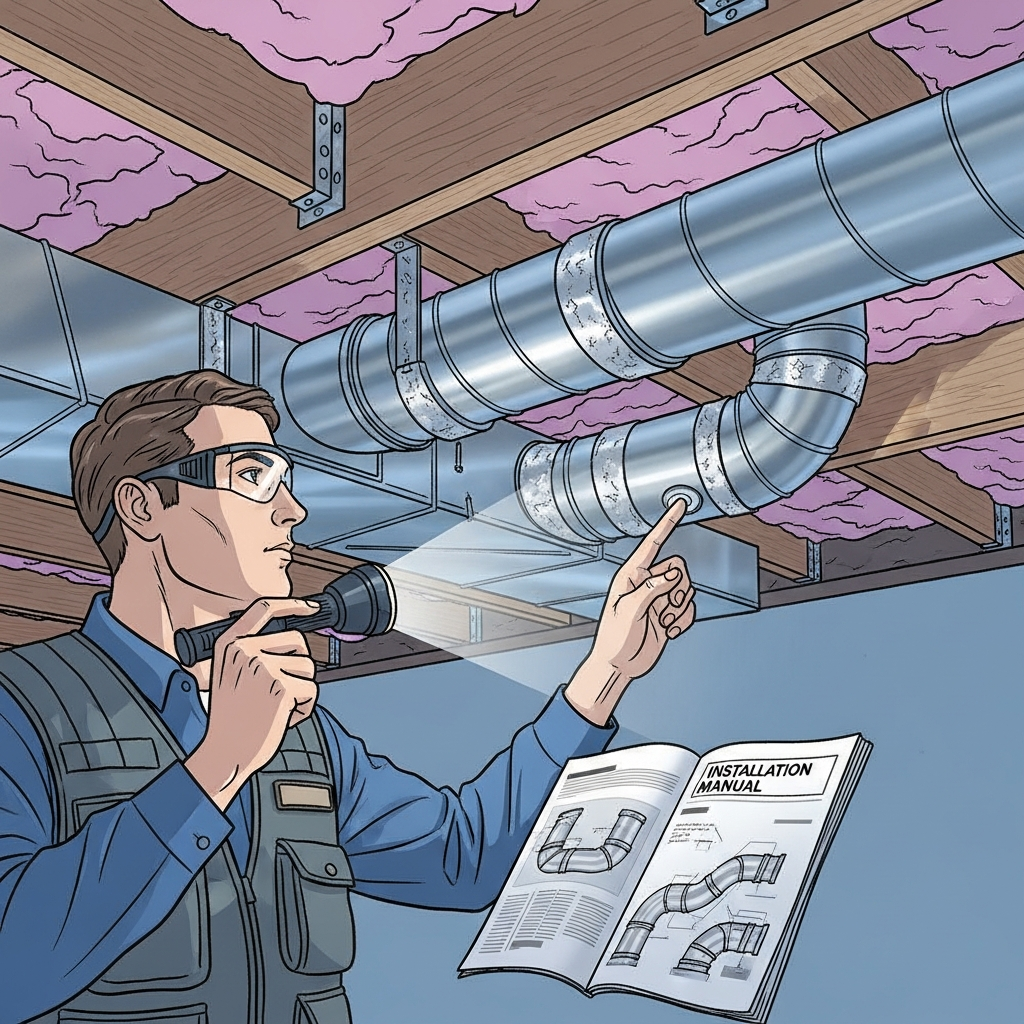
This overview synthesizes widely referenced standards—such as provisions found in the International Residential Code (IRC), International Mechanical Code (IMC), and NFPA guidelines—along with best practices recognized by manufacturers. Always confirm final details with your local authority having jurisdiction (AHJ) and your dryer’s installation manual, because manufacturer instructions often complement or refine code limits.
Key Principles Behind the Codes
Across jurisdictions, the goals are consistent: move moist, lint-laden air outside efficiently, eliminate ignition sources, and maintain a serviceable path for cleaning. The following concepts shape most requirements:
- Dedicated pathway: A dryer must vent to the outdoors through its own duct.
- Fire safety: Noncombustible materials and smooth interiors limit lint accumulation and heat risk.
- Performance: Short, straight runs help dryers operate within design parameters.
- Serviceability: Accessible joints and terminations support inspection and cleaning.
By prioritizing these concepts, your installation will meet or exceed most local expectations in Readington.
Approved Materials
Most codes require metal ducts with smooth interiors for the primary vent run. Flexible plastic or thin foil ducts can collapse, overheat, and trap lint—common violations during home inspections.
- Rigid aluminum or galvanized steel: Typically approved for the main run.
- Short, UL-listed transition connector: Often allowed between dryer and rigid duct; keep it short and straight.
- Sealing: Use metal foil HVAC tape on joints; avoid screws protruding into the airstream.
- Prohibited: Plastic, vinyl, or fabric-style flex ducts for permanent venting.
Materials should match the dryer outlet diameter to maintain proper airflow and reduce restriction.
Length and Elbow Limits
Codes and manufacturers specify maximum effective lengths. Effective length considers both straight duct and the resistance added by elbows.
- Straight runs: Shorter is always better; many manufacturers provide a baseline maximum length.
- Elbows: Each 90-degree elbow adds significant equivalent feet; 45-degree elbows add less but still count.
- Manufacturer instructions: Always verify your model’s chart for length de-ratings by elbow count.
In practice, if your Readington home’s laundry area is centrally located, thoughtful route design can keep you within these limits—often by choosing a wall termination over a roof exit or reorienting the dryer to reduce bends.
Termination Requirements
Vents must terminate outdoors with a listed cap or hood that includes a backdraft damper. Screens that catch lint are generally prohibited because they clog quickly and pose fire hazards. The termination should discharge away from openings where lint could reenter the home or accumulate in soffits, vents, or corners.
- Exterior hood: Must allow free movement of the damper and resist pest entry.
- Clearances: Maintain space from doors, windows, and other intakes per local guidance.
- No shared terminations: Do not combine with bathroom fans or other exhaust systems.
In snowy Readington winters, position the hood to avoid drift buildup, and keep landscaping and mulch away from the damper’s swing path.
Routing and Support
Route the duct as straight and direct as possible. Concealed runs should remain accessible for maintenance where feasible. Support long horizontal runs at regular intervals to prevent sagging, which collects lint and restricts flow.
- Concealed spaces: Do not terminate into attics, crawlspaces, garages, or interior spaces.
- Framing penetrations: Cut clean, properly sized openings; protect structural members and utilities.
- Support: Use metal straps or hangers to maintain alignment and slope.
During installation, orient crimped male ends in the direction of airflow (toward the exterior) to minimize lint catch points—this is both a best practice and a common inspector expectation.
Fire-Stopping and Clearances
Where ducts pass through fire-rated assemblies or between floors, codes may require fire-stopping or fire-blocking. Maintain required clearances from combustible materials. Follow manufacturer instructions for minimum spacings, particularly with gas dryers that add combustion considerations.
In multi-family buildings around Readington, additional life-safety provisions can apply. Always check with the AHJ when routing through shared assemblies or townhome party walls.
Prohibited Practices
- Venting indoors to garages, attics, or crawlspaces
- Using screws or fasteners that protrude into the duct interior
- Installing screens at terminations that trap lint
- Exceeding maximum effective lengths without approved mitigation
- Using unlisted plastic or fabric-type flexible ducts as permanent runs
Avoiding these mistakes keeps your installation comfortably within common code expectations.
Documentation and Inspections
When permits are required, inspectors may verify materials, route, termination, and overall workmanship. Keeping documentation handy—such as the dryer’s installation manual, duct material specifications, and your route plan—helps demonstrate compliance. Photos taken during installation, especially of concealed segments before drywall, can be invaluable during final walkthroughs.
In Readington, enforcement timelines and requirements can vary based on project scope (new construction vs. remodel). Planning ahead prevents surprises late in the project.
Manufacturer Instructions vs. Code
Manufacturers often specify limits that are equal to or stricter than code. Where differences exist, the more restrictive rule typically governs. For example, if code allows a certain length but the dryer’s manual specifies less due to blower design, follow the manual. Doing so protects warranty coverage and ensures expected performance.
Local Environment Factors in Readington
New Jersey’s seasonal moisture and temperature swings make termination quality and maintenance paramount. A robust, listed hood with a smooth-swinging damper stands up better to wind, ice, and leaf debris. Periodic cleaning is not just good practice—it supports code intent by keeping the designed airflow unobstructed.
Older homes may contain legacy, noncompliant materials. Replacing these with rigid metal ducts and proper terminations not only aligns with today’s requirements but often shortens drying times immediately.
Working with Professionals
Complex routes, multi-story penetrations, or situations involving fire-rated assemblies benefit from professional involvement. Trained installers interpret local requirements, optimize routes, and document work for inspections. A mid-project consultation can resolve questions about length, elbows, and termination placement before drywall or siding goes up. For help navigating challenging layouts and ensuring compliance, schedule code-compliant dryer vent installation with local expertise familiar with Readington conditions.
Frequently Asked Questions
Q: Can I share a vent with a bathroom fan? A: No. Dryer vents must be dedicated to the dryer and terminate outdoors independently.
Q: Are booster fans allowed? A: Some jurisdictions allow listed booster fans when effective length cannot be reduced, but only if permitted by the dryer manufacturer and installed per listing and code.
Q: What diameter is required? A: Match the dryer outlet size and manufacturer instruction. Reducing diameter increases resistance and typically violates requirements.
Q: Is roof venting acceptable? A: It can be, but wall terminations are often preferred for serviceability. If roof venting is used, follow flashing and termination guidelines diligently.
Q: How often should I clean the vent to remain compliant? A: Codes focus on proper installation, but maintenance is essential for ongoing safety. Annual cleaning is a common recommendation; increase frequency for heavy use or long runs.
Bringing It All Together
Compliance is not just about passing inspection—it is about ensuring that your dryer can safely and efficiently remove moisture and lint for years to come. By selecting approved materials, staying within length limits, using a proper termination, and documenting the work, you establish a reliable system aligned with both code and manufacturer expectations.
Get Help Ensuring Your Installation Meets the Rules
If you prefer expert navigation of codes, documentation, and route optimization, partner with a local pro. Arrange dryer vent installation that meets code and gain confidence that your system is safe, efficient, and ready for Readington’s seasons.
