Understanding the Real Factors Behind Dryer Vent Cleaning in Readington, New Jersey
When homeowners in Readington search for guidance about budgeting and value for dryer vent maintenance, they often focus only on the end number. A better approach is to understand the variables that shape the scope of work, the time required, and the level of expertise involved. This guide explains the practical elements that influence a thorough service, so you can make an informed choice that balances safety, performance, and long-term reliability. Early on, it is helpful to know what a complete service entails and why professional dryer vent cleaning can deliver a measurable difference in airflow and drying times.
Readington’s mix of home ages and layouts means dryer vents are not one-size-fits-all. Some homes have a simple, short route straight outside; others have long, winding pathways threaded through floors and attics. The complexity of your setup directly affects the detail and duration of the cleaning process. Technicians must adapt tools and methods to your configuration to ensure every section is safely cleared.
Key Variables That Shape the Service
- Vent Length and Configuration: Each added elbow, vertical rise, or horizontal run introduces turbulence that catches lint and makes cleaning more involved.
- Material and Condition: Rigid metal ducts are ideal; foil or plastic hoses trap debris and are more vulnerable to kinks, crushing, and heat issues.
- Accessibility: Laundry rooms in tight closets, upper floors, or townhome alcoves may require additional protective steps to reach both ends of the vent.
- Lint Load: Homes with frequent laundry, multiple occupants, or pets tend to see greater accumulation and benefit from more attentive cleaning.
- Exterior Termination: Hoods with stuck flaps, screens, or pest-related obstructions require additional remediation and testing.
- Appliance Health: An aging dryer or a poorly fitted transition hose can leak lint and reduce airflow, expanding the scope of corrective work.
These factors interact. For example, a long vertical run with two elbows, a crushed transition hose, and a clogged termination cap demands more careful agitation, vacuum collection, and testing than a direct, short-through-wall route. Understanding this interplay helps set realistic expectations for the time and attention your home’s system deserves.
What a Thorough Dryer Vent Cleaning Involves
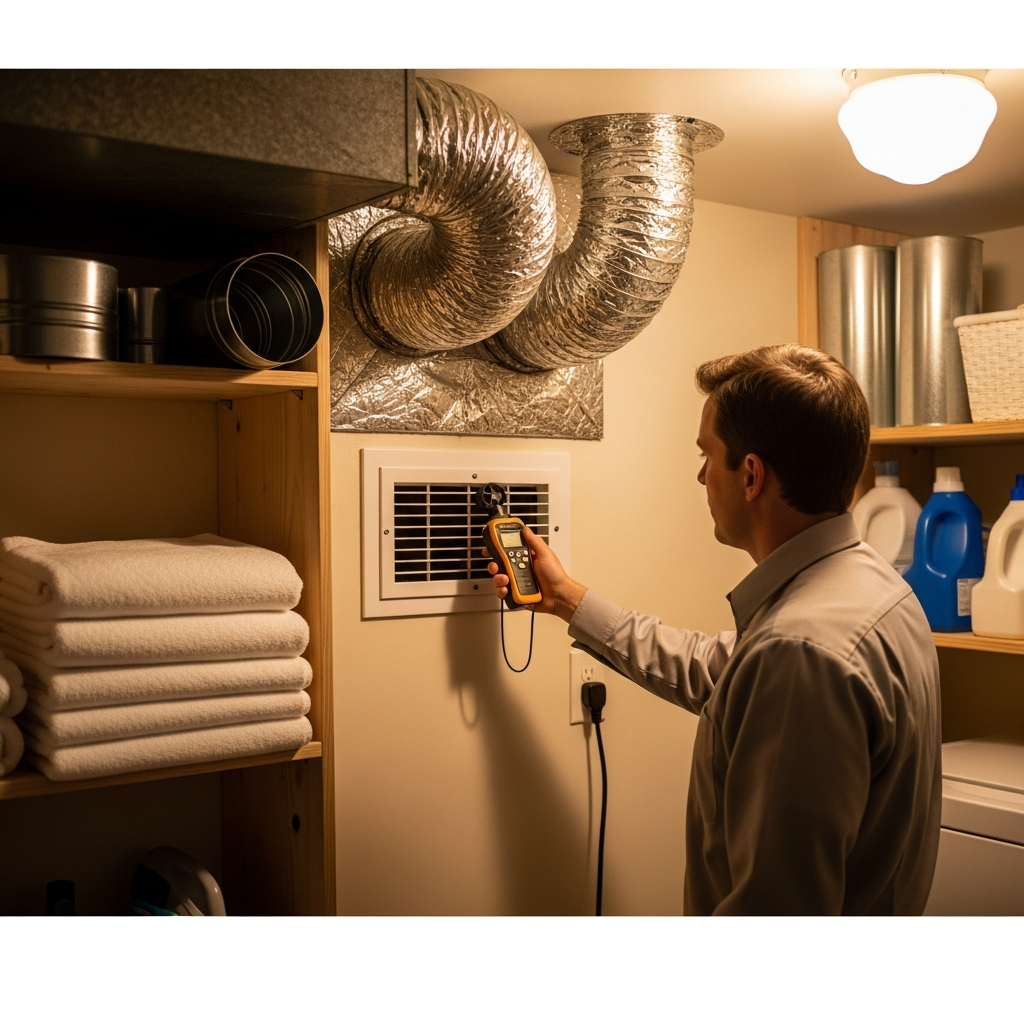
A complete service consists of more than a quick brush pass. After evaluating the setup, a technician disconnects the transition hose, assesses airflow at the start, and protects surrounding finishes. Using specialized brushes or air whips, they dislodge lint while a vacuum captures debris. The exterior hood is inspected for blockages, and the flap or louvers are confirmed to open freely. Finally, the provider reassembles the connections, verifies secure clamps and tape, and performs a post-cleaning airflow check to validate the improvement.
In some cases, technicians will recommend safer connectors or minor rerouting to eliminate unnecessary bends. These small upgrades can deliver meaningful performance gains. In Readington neighborhoods where laundry spaces were retrofitted into older homes, such improvements often yield the most noticeable benefits.
Why “Value” Should Outweigh a Simple Number
When comparing options, it is tempting to focus only on a bottom-line figure. However, value in dryer vent service comes from the completeness of the work and the provider’s expertise. Incomplete cleaning can leave compacted lint in elbows, misaligned joints, or a sticky termination flap that quickly rebuilds a blockage. The result is longer dry times, more wear on your appliance, and the lingering possibility of overheating within the duct.
A value-first mindset asks: Will the technician document before-and-after airflow? Do they address both the appliance connection and the exterior exit? Do they carry tools suited for long vents or complex runs? These questions help ensure you receive a thorough service that delivers better drying performance and peace of mind.
Local Insights for Readington Homeowners
In our township, many homes have laundry areas located far from exterior walls, particularly in newer or renovated spaces. This design adds convenience inside but complexity to the vent route. Seasonal pollen and outdoor debris can also settle on termination caps, while occasional winter ice can stiffen flaps. A provider familiar with Readington’s conditions will proactively check and correct these stress points.
Another local consideration is wildlife. Birds seeking warm cavities in early spring may attempt to nest in sheltered exhaust points. Proper screening and regular inspections deter this without hampering airflow. If you have noticed increased lint or dust buildup in utility areas, it is worth asking for an inspection of the entire vent path, not just the visible portions.
How to Evaluate and Compare Local Services
- Transparency: Look for a clear explanation of steps, from initial assessment to final airflow confirmation.
- Specialization: Providers dedicated to vents and duct systems are more likely to have the right equipment and training.
- Safety Focus: Preference for rigid or semi-rigid metal connectors and secure clamps indicates attention to best practices.
- Documentation: Before-and-after photos or airflow readings help you verify results.
- Communication: A technician who explains findings and suggests practical improvements offers long-term value.
When you weigh these elements, you are not just comparing a number—you are comparing outcomes. Reliable airflow, faster drying, and a cleaner laundry area are the real returns from a well-executed service. For homeowners who want clarity and proven methods, working with a team that prioritizes complete dryer vent cleaning is a sensible choice.
Timing and Frequency
The ideal schedule depends on usage. Larger households, pet-friendly homes, and those washing heavy fabrics often benefit from more frequent attention. After your first professional visit, ask for a recommended interval tailored to your vent length, configuration, and measured airflow improvement. Monitoring signs like increasing dry times or a hesitant exterior flap can also signal it is time to revisit.
Red Flags That Suggest a More Complex Service
- Transition hoses that are crushed, kinked, or made of thin foil or plastic.
- Vents with more than two elbows or extended vertical rises.
- Exterior hoods located behind shrubbery or tucked into recessed soffits.
- Visible lint around wall connections, baseboards, or the dryer’s rear panel.
- Moisture staining near the vent route, suggesting leakage into cavities.
These conditions do not just slow drying; they can mask areas where lint accumulates faster than normal. A methodical cleaning, plus minor corrective steps, will usually restore proper performance.
How Homeowners Can Support Long-Term Performance
- Clean the lint screen before every load.
- Use rigid or semi-rigid metal for the transition and main vent wherever possible.
- Position the dryer to avoid crushing the connector when pushing it back to the wall.
- Step outside while the dryer runs to confirm the termination flap opens freely.
- Schedule periodic professional inspection for long or complex routes.
These simple habits protect airflow and extend the benefits of a professional visit. Even small improvements, like replacing an aging connector or trimming an overgrown shrub near the hood, can make a noticeable difference.
Frequently Asked Questions
Q: What makes one project take longer than another? A: Vent length, number of bends, accessibility, and the condition of the termination cap all influence the time and approach required.
Q: Is DIY cleaning enough? A: Basic kits can help with short, straight ducts, but complex routes and heavy buildup call for specialized tools and controlled debris capture.
Q: Can lint return quickly after service? A: Good airflow slows re-accumulation. Following best practices at home further extends the time between appointments.
Q: Do apartment or townhome vents need special attention? A: Shared walls, upper-floor laundry spaces, and recessed terminations may require additional protective steps and testing.
Q: Will the technician move my dryer? A: Many services include careful movement to access connections, with floor protection to prevent damage.
Make a Confident Choice in Readington
If you are weighing options and want dependable results, select a provider that emphasizes process, safety, and measurable improvements. Local familiarity and clear communication will help ensure your system receives the attention it needs. When you are ready to elevate airflow, improve drying performance, and protect your home, schedule expert dryer vent cleaning with a trusted Readington team.
