For homeowners in Readington, New Jersey, a well-maintained dryer vent is essential to safety, comfort, and day-to-day convenience. The dryer’s job is simple in theory—tumble, heat, and exhaust moist air—but airflow is the part that often gets overlooked. When lint and fine fibers adhere to the duct walls, each cycle pushes a little less air, making laundry take longer and the appliance work harder. Over time, that hidden buildup also increases risk and raises the chance of moisture lingering in walls and closets. This comprehensive guide explains how dryer vent systems work, the signs that maintenance is due, the steps professionals take during service, and practical habits that keep the system clear. If you conclude that it is time for a thorough cleaning, consider scheduling local dryer vent cleaning to restore proper airflow and peace of mind.
How a dryer vent system works
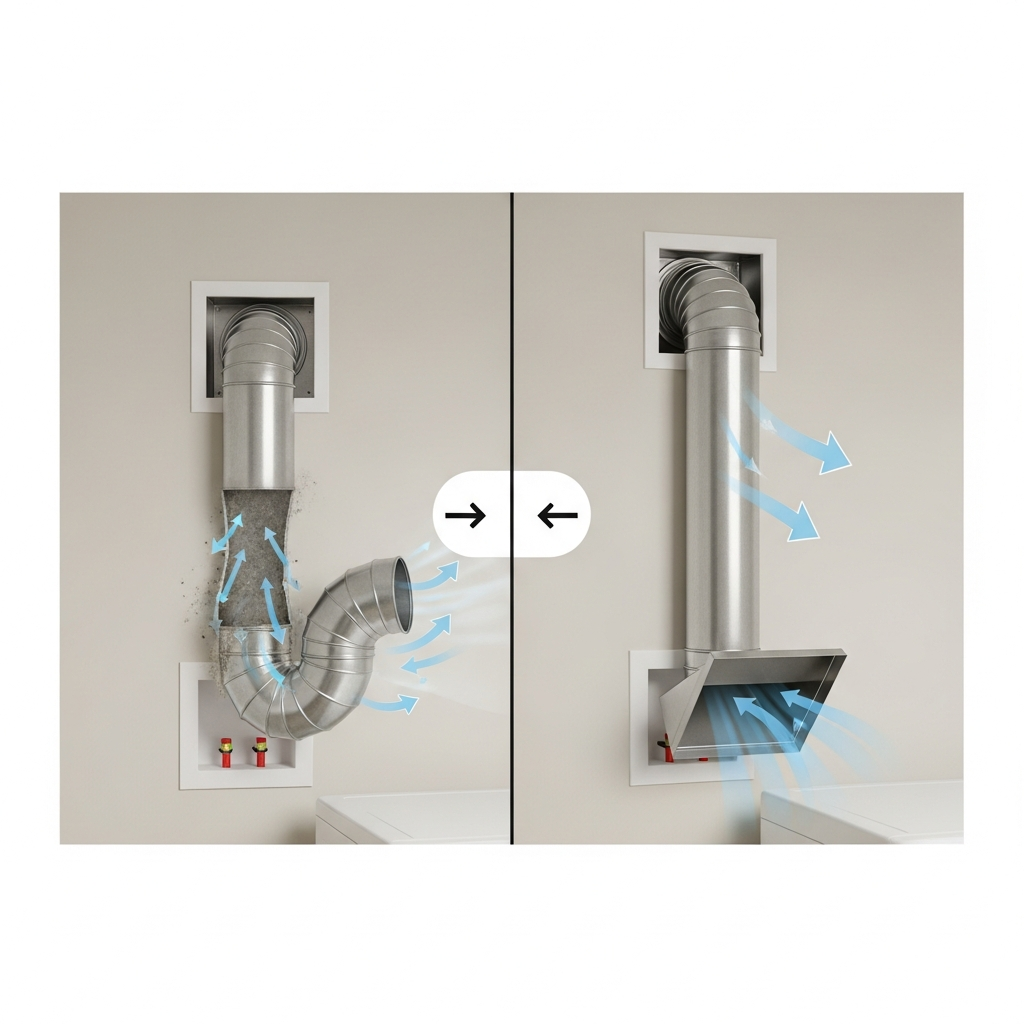
Your dryer heats and tumbles laundry, evaporating moisture that must be expelled outdoors. A blower pushes warm, humid air through a lint screen and into the vent duct. For the system to function efficiently, the duct must provide a smooth path with minimal turns, and the exterior termination must open freely. When lint collects on interior surfaces—especially at elbows and seams—the path narrows, increasing resistance. The blower works harder, cycle times climb, and heat lingers. In Readington’s varied climate, that warm, moist air can condense on cooler duct sections, gluing lint more firmly to the metal and accelerating buildup.
Common vent layouts in Readington homes
Local homes range from older properties with laundry rooms on lower levels to newer builds with stacked units in closets. Short, straight runs through an exterior wall are common in some layouts; multi-turn, longer runs that travel to a side wall, soffit, or roof appear in others. Each bend adds friction and becomes a likely spot for lint to settle. Understanding your layout—transition duct, main run, number of elbows, and termination type—helps you schedule maintenance effectively and evaluate recommendations from a technician. If your run is unusually long, a booster fan may be present, which adds another component to maintain.
Warning signs of restricted airflow
Several everyday clues point to a vent that needs attention. Longer cycle times for your usual loads, a laundry room that feels hot or humid during operation, or a burnt or musty odor all indicate slow exhaust. Lint building up behind or to the sides of the dryer, a flap that barely opens outside, or condensation on nearby walls are also red flags. Some dryer models display vent or flow warnings. If you see any of these signs, plan service promptly to prevent the problem from compounding with each additional load.
What professionals do during cleaning
A trained technician begins with a walkthrough and an inspection of the transition duct, the wall or floor penetration, and the exterior termination. They confirm the material type—smooth metal for the main run is recommended—and check for kinks or crushing behind the dryer. Next, they use rotary brushes and a powerful vacuum to dislodge and collect lint from the duct interior. In many cases, they brush from both the interior and exterior access points to ensure elbows and final segments are cleared. Afterward, they verify that the exterior flap opens decisively under airflow and that connections are sealed properly. A test run confirms steadier exhaust and more predictable cycle times.
Materials that make a difference
Vent material influences both safety and performance. Smooth metal duct resists lint adherence and withstands brushing pressure. The short transition behind the dryer should be semi-rigid metal with the shortest, straightest path possible. Thin plastic or foil flex can trap lint, deform under heat, and tear during normal use. If your technician finds suboptimal material during cleaning, they will likely recommend upgrades that improve airflow, durability, and ease of maintenance. Likewise, the termination should feature a simple, free-swinging flap or louver without fine mesh, which clogs readily with lint.
How local seasons affect vents
Readington’s weather presents rotating challenges. In humid summers, moisture in the air and in laundry loads helps lint mat more tightly. In cold winters, ducts along exterior walls can cool quickly, condensing moisture and capturing lint in elbows. Spring brings nesting attempts at wall or soffit terminations, and autumn winds can drive leaves and debris around exterior caps. These patterns make annual service a smart baseline, adjusted for heavy laundry use or long, complex runs. Observing the exterior flap in different seasons can clue you in to subtle changes in exhaust strength.
Do-it-yourself tasks homeowners can handle
While full vent cleaning is a professional job, homeowners can do several supportive tasks. Clean the lint screen before every load and periodically wash it to remove invisible film from dryer sheets and softeners. Wipe the moisture sensor bars inside the drum with a damp cloth to support accurate cycle endings. Vacuum dust around and beneath the dryer, being careful not to crush the transition duct. Occasionally observe the exterior termination during operation to ensure it opens fully and closes afterward. These habits help maintain clear airflow between professional visits and reduce the pace of buildup.
Inspection: the companion to cleaning
Inspection identifies the conditions that allow lint to accumulate. A technician maps the route, estimates length and number of elbows, and checks for crushed sections or poor joints. They also validate the termination type and look for pest evidence or stuck louvers. In some cases, basic airflow measurements or observational checks before and after cleaning confirm that performance has improved. If problems persist, inspection helps pinpoint other causes—like an overly long route or a failing moisture sensor in the dryer—that influence how the system behaves day to day.
Special considerations for gas dryers
Gas and electric dryers both vent warm, moist air, but safe venting is especially important for gas units to manage heat effectively. A clear, properly assembled vent helps the appliance run within its intended temperature range and supports consistent cycles. During service, a professional verifies that connections are secure and that the termination opens without binding. Good airflow also reduces the chance of odors or excess humidity lingering in the laundry area.
Multi-unit and tight-space setups
Townhomes, condos, and stacked laundry closets are common in parts of Readington. These installations often have longer or more complex vent routes and limited working space behind the appliance. Technicians plan carefully to protect finishes while moving units far enough to access transition ducts and wall connections. In multi-unit buildings, exterior access may require coordination; documenting the route and termination style can speed future visits and ensure consistency from one appointment to the next.
How to prepare for a service visit
Before your appointment, clear the area around the dryer. Remove baskets and supplies from the floor, empty shelves that might block movement, and secure pets. Identify the exterior termination and trim shrubs that obstruct access. If parking is tight, try to reserve a spot near the entry for equipment unloading. Gather any notes from prior visits—vent length estimates, termination photos, or recommendations—so the technician can concentrate on the work rather than rediscovering details. These small steps help keep the visit efficient and thorough.
After cleaning: what you should notice
Post-service, your dryer should return to more predictable cycle times. The appliance often runs cooler to the touch, and the laundry room feels less humid. The exterior flap should open decisively and close neatly after the cycle ends. Lint dust behind the machine usually decreases as connections seal better and airflow stabilizes. If a technician recommended changes—such as replacing a weak transition duct or simplifying an elbow—making those updates preserves the benefits of cleaning and can improve results further.
How often to schedule service
A common baseline is once a year, with adjustments for homes that run frequent towel or bedding loads, have pets, or feature long, multi-elbow runs. Observing subtle changes—like a gradually weakening exterior flap or creeping cycle times—helps you decide whether to move your appointment sooner. If your home has a rooftop termination or a booster fan, you may prefer a shorter interval due to added complexity and exposure to the elements.
Troubleshooting tips between visits
If cycles start to lengthen, check the basics. Clean the lint screen, verify that the transition duct is not crushed, and watch the exterior flap during a warm cycle. A flap that barely opens or a weak, fluttering exhaust suggests a restriction. If you smell a burnt or musty odor, or if the laundry room grows hot during operation, plan service. Avoid forcing a stacked or tight-space unit forward if it feels stuck; you risk damaging the transition duct. Instead, schedule a professional who can move the appliance safely and evaluate the vent interior thoroughly.
Planning improvements over time
Beyond routine service, some homes benefit from targeted upgrades. Replacing flexible foil with semi-rigid or rigid metal, shortening unnecessary loops behind the dryer, or switching to a smoother, more reliable termination design can make a big difference. If your run is excessively long or includes multiple tight elbows, a technician may suggest a re-route to simplify the path. Upgrades like these typically happen over time during remodeling or appliance replacement, but even small changes can yield noticeable gains in airflow and consistency.
Working with a local specialist
A Readington-based technician brings practical knowledge of local building styles, common vent routes, and seasonal impacts. During a visit, they will explain findings in everyday language, show you how the exterior flap should behave, and outline priority improvements. A methodical, transparent approach ensures that your system not only gets cleaned but also behaves predictably afterward, reducing frustration and repeat issues. You will come away with a better understanding of your home’s specific vent layout and a simple plan for ongoing care.
As you consider your next steps, think about whether your home’s layout, laundry habits, and seasonal factors suggest it is time for professional help. If you want a thorough, locally informed service that combines inspection with careful cleaning and clear guidance, schedule expert dryer vent cleaning and get back to shorter cycles, a cooler laundry room, and lasting peace of mind.
Frequently asked questions
Q: What kind of duct is best for dryer vents? A: Smooth metal for the main run and semi-rigid metal for the short transition behind the dryer are widely recommended. These materials resist lint adherence and withstand brushing during cleaning.
Q: How do I know if the termination is working properly? A: During a warm cycle, the exterior flap should open fully and close after the dryer stops. Weak movement, sticking, or a constant open position signals a problem that needs attention.
Q: Can I extend the transition duct to position the dryer anywhere? A: The transition should be as short and straight as possible. Long, looped, or crushed transition sections restrict airflow and contribute to recurring issues.
Q: Why does my laundry room smell musty? A: Moist exhaust that lingers in the duct or leaks at connections can cause odors. Cleaning the vent and confirming tight, well-aligned joints usually resolves the smell.
Q: Are booster fans always needed for long runs? A: Not always. Some layouts can be improved by simplifying the route or upgrading materials. Where a booster fan is present, it should be maintained and verified for proper operation.
Q: Do stacked units in closets pose problems? A: They can be more challenging to access, and space constraints make proper transition routing essential. A professional can move the appliance safely and verify that airflow is unrestricted.
Ready to restore reliable airflow
Clear airflow is the backbone of safe, efficient drying. Whether your home has a short, direct run or a complex route with multiple elbows, regular maintenance and smart materials keep performance consistent. If you have noticed longer cycles, a warm laundry room, or a sluggish exterior flap, it is a good time to act. For a careful, locally informed solution that brings inspection and cleaning together, schedule professional dryer vent cleaning and enjoy faster drying, steadier temperatures, and confidence in your home’s safety.
