When homeowners in Readington, New Jersey schedule dryer vent service, they often focus on lint removal. Equally important is a careful inspection that reveals how the system is built, how well it breathes, and whether any components need attention. A thorough inspection guides the cleaning strategy, verifies performance afterward, and helps prevent recurring issues. From verifying the transition duct and clamps behind the dryer to confirming the exterior termination opens freely, inspection is the foundation of a safe, efficient system. If you are planning maintenance, consider pairing cleaning with a focused inspection by a local pro and, when you are ready, book expert dryer vent cleaning to restore proper airflow throughout the run.
What a professional looks for during inspection
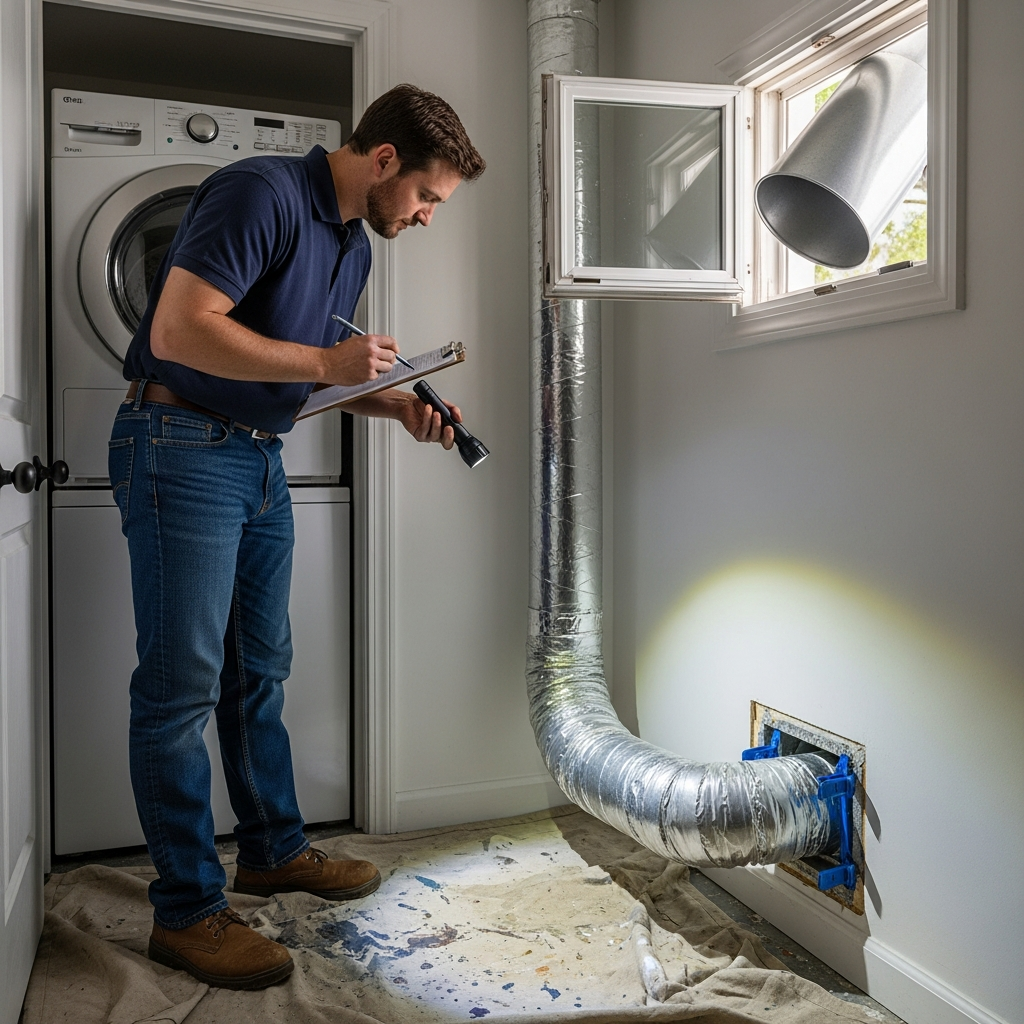
An experienced technician starts with a walkthrough of the laundry area. They confirm the dryer type (gas or electric), evaluate clearances, and assess how the unit can be moved without damaging floors or cabinetry. Next, they inspect the transition duct that connects the dryer to the wall or floor penetration. Ideally, this short section is a semi-rigid metal duct of minimal length with smooth bends and secure clamps. Excessive length, crushed sections, or thin foil material raise concerns. The pro also examines the in-wall or in-floor duct, looking for signs of prior crushing, paint overspray, or patches that might trap lint. Any visible seams, unusual odors, or lint streaks are noted for follow-up during cleaning.
Mapping the vent path
The heart of inspection is understanding where the duct travels and how it terminates outside. The technician traces the route from the dryer to the exterior, counting elbows and estimating length. Bends and extended runs increase friction and slow airflow, so this mapping step helps set realistic expectations for both the cleaning time and the system’s overall performance. If the path rises into an attic or drops into a crawlspace, the tech checks accessibility and identifies safe working approaches. Where building plans or past notes are available, they can speed up this stage. When records are not on hand, simple investigative techniques—listening for airflow, tapping to locate duct walls, or using small inspection ports—can clarify the layout without disruptive demolition.
Termination and exterior check
Outside the home, a proper dryer vent termination should open freely under airflow and close when the dryer is off to deter pests. The flap or louver design should be simple, without fine mesh that clogs with lint. During inspection, the pro verifies that the hood sits securely, caulk or flashing is in good condition, and the opening is free of nesting material or debris. If the termination is at the roof, the tech considers ladder setup, weather conditions, and safe access. They also evaluate whether the cap’s design allows unrestricted exhaust. Warped or stuck louvers, paint buildup, or damaged hoods can all hinder performance. After cleaning, a return visit to this spot confirms that the flap moves better and that exhaust is strong and steady.
Airflow assessment and performance clues
Even simple observational checks tell an experienced technician a lot about airflow. A sluggish exterior flap, a droning exhaust sound, or humid air pooling in the laundry room all indicate a restriction. Some pros use basic anemometers or pressure measurements to quantify changes before and after cleaning. Others rely on practical cues: how quickly lint blows out during brushing, whether warm air reaches the termination, and how the dryer’s behavior changes on a test cycle. Regardless of the tools used, the purpose is the same—confirm that the vent now moves air consistently from the drum to the outdoors and that the system behaves predictably from one load to the next.
Material and code considerations
Inspection verifies not only cleanliness but also the suitability of materials. Smooth metal duct is widely recommended for the primary run, with semi-rigid metal for the short transition. Thin plastic or foil flex is discouraged because it traps lint easily and can be damaged, leading to leaks and frequent re-linting. The technician also keeps an eye out for screws penetrating duct walls, which can snag fibers, or for long, crumpled sections that slow exhaust. For gas dryers, proper venting is especially important because exhaust contains combustion byproducts. Although a dryer vent is distinct from a chimney or furnace flue, obstructed airflow can still create unwanted heat buildup and moisture issues. The goal of inspection is to highlight any material or assembly concerns so you can plan sensible improvements over time.
Pest and weather impacts in Readington
In Readington, changing seasons bring unique challenges: springtime nesting near hoods, wind-blown leaves in autumn, and winter cold that can condense moisture in long exterior-wall runs. Inspectors pay close attention to the termination during these times, looking for telltale twigs, grass, or lint plastered against louvers. A properly designed hood helps, but regular checks remain essential. Where pests have entered or nested, the cleaning plan may include more time at the exterior and extra brushing at the final elbow. After service, the pro will confirm that the termination opens smoothly with the dryer running and closes neatly afterward, ensuring weather and animals are kept at bay without restricting airflow.
When inspection reveals hidden issues
Occasionally, inspection uncovers surprises that routine cleaning alone cannot solve. Examples include a crushed section behind cabinetry, a disconnected joint within a wall, or a vent path that is simply too long for the dryer’s blower to handle efficiently. Some homes also have painted-over louvers that stick, or hoods with screens not intended for dryer exhaust. In these cases, the technician explains the problem, outlines immediate steps to restore safe airflow, and, where appropriate, recommends longer-term solutions such as re-routing a section of duct, upgrading materials, or replacing the termination. An honest assessment empowers you to make informed decisions and prevents the same issues from resurfacing shortly after service.
Documentation and homeowner communication
A good inspection includes clear communication. The technician should summarize findings in everyday language, noting the vent’s approximate length, the number of elbows, the termination style, and any concerns. Photos of the exterior hood or of an unusual fitting inside the laundry area can be helpful for your records. If the pro observed behavior changes on the test run—like steadier exhaust or a cooler-running dryer—they should explain what those changes mean. When recommendations are made, they should be prioritized so you know which improvements matter most for safety and performance. This transparency turns a one-time cleaning into a long-term plan for reliable operation.
Inspection in multi-unit and specialty setups
Townhomes, condos, and apartments present unique inspection needs. The vent path may travel through shared walls, and building policies can affect access to exteriors or roofs. Scheduling coordination ensures the right areas are available when the technician arrives. In some multi-unit settings, booster fans help longer runs; inspection verifies that these devices are clean, operating, and supported by proper terminations. Likewise, stacked laundry closets and compact utility rooms require careful movement and extra attention to transition ducts. Your technician’s familiarity with these layouts improves efficiency and reduces the chance of disruption during service.
DIY checks between professional inspections
Homeowners can perform simple observations between visits. Watch the exterior flap during a cycle; it should open fully and move decisively. Listen for strong, steady exhaust instead of a weak, fluttering sound. Feel the laundry room air: it should not grow steamy or overly warm. Inside, keep the lint screen clean and periodically wash it to remove residue from dryer sheets. If you notice lint streaks behind the dryer, a musty odor, or any signs of charring or heat discoloration, stop and schedule service promptly. These cues are early warnings that inspection and cleaning are due.
Putting inspection and cleaning together
The best results come from combining inspection with thorough mechanical cleaning. Inspection tells the technician where problems are likely to hide; cleaning removes the accumulations that restrict airflow. After service, a brief re-inspection confirms that the system now moves air as it should. The cycle time should feel more predictable, and the exterior termination should open with authority. If any longer-term improvements are advisable—like replacing a flimsy transition duct or simplifying an overly long route—your technician will explain them so you can plan upgrades when convenient.
As you evaluate options for your home, you may compare a quick brush-out with a more deliberate service that includes mapping the route, confirming materials, and checking exterior behavior. A comprehensive approach yields steadier performance and fewer callbacks. When you are ready for a methodical process that pairs an inspection mindset with hands-on cleaning, schedule professional dryer vent cleaning from a Readington specialist who understands local housing and seasonal demands.
Frequently asked questions
Q: How often should I have the vent inspected? A: Many households benefit from an annual inspection alongside cleaning. High-usage homes, or those with long runs and rooftop terminations, may benefit from more frequent checks.
Q: Will inspection identify materials that should be upgraded? A: Yes. Inspectors look for thin foil or plastic sections, screws protruding into the duct, and crushed or kinked spots. They will explain which updates can deliver the most improvement.
Q: Is camera inspection necessary? A: Not always. Many issues can be identified through mapping, exterior observation, and brushing results. When a hidden problem is suspected, camera inspection can help confirm conditions without invasive work.
Q: Do gas dryers require special attention? A: Gas dryers vent warm, moist air like electric models, but safe venting is especially important to manage heat and moisture. Inspection ensures the path is clear and the termination functions reliably.
Q: What if my dryer still dries slowly after cleaning? A: Persistent slow drying can indicate an overly long route, a failing moisture sensor, a booster fan issue, or a partial crush behind the machine. Share observations with your technician so they can investigate.
Q: Can stacked or closet installations be fully inspected? A: Yes, but space is tight. Clearing shelves and removing floor items helps the technician move the appliance enough to examine the transition duct and connections safely.
Ready for a safer, steadier laundry routine
A diligent inspection paired with thorough cleaning is one of the most effective ways to protect your home and keep your dryer running efficiently. Whether your vent exits a side wall or a roof, and whether your laundry room is spacious or compact, a careful look at the route and components sets the stage for reliable performance. When you are ready to restore clear airflow and confirm everything is working as designed, schedule professional dryer vent cleaning with a Readington team that brings inspection expertise to every visit.
