Finding the Right Cleaning Frequency for Your Home
Figuring out how often to schedule dryer vent cleaning in Readington is about matching your maintenance plan to your household’s habits, your home’s layout, and our region’s climate. There is no single interval that fits everyone. Instead, you balance the pace of lint accumulation with the performance you expect from your dryer. By paying attention to a few simple signals—drying time, surface temperature, and the strength of airflow at the exterior vent—you can decide when it is time to call a professional. When in doubt, aligning with a reputable provider of dryer vent cleaning near you ensures your plan is grounded in experience rather than guesswork.
Why does frequency matter so much? Because airflow is the lifeblood of your dryer. A clean vent keeps moisture moving out of the drum quickly, reduces heat stress on components, and prevents lint from collecting in hard-to-reach elbows and seams. Proactive scheduling helps your laundry routine stay predictable year-round, even as seasons change and your household’s demands rise and fall.
Start With a Baseline, Then Personalize
If you have just moved into a home or cannot recall when the vent was last cleaned, treat your next appointment as a baseline. A thorough cleaning resets the system and gives you a clear reference point for performance. From there, track how long loads take, how warm the dryer feels on the outside, and whether the exterior damper opens fully during cycles. If performance remains strong, you can extend the interval; if it declines sooner than expected, shorten it.
Think of your household like a unique ecosystem. The number of residents, the types of fabrics you dry, and how often you run heavy loads all shape the pace of lint accumulation. Families with athletes, pets, or frequent towel and bedding cycles typically see faster buildup and benefit from more frequent service. Single-occupant homes or those that line-dry some items may find that their vent stays clear longer.
Local Climate and Seasonal Rhythms
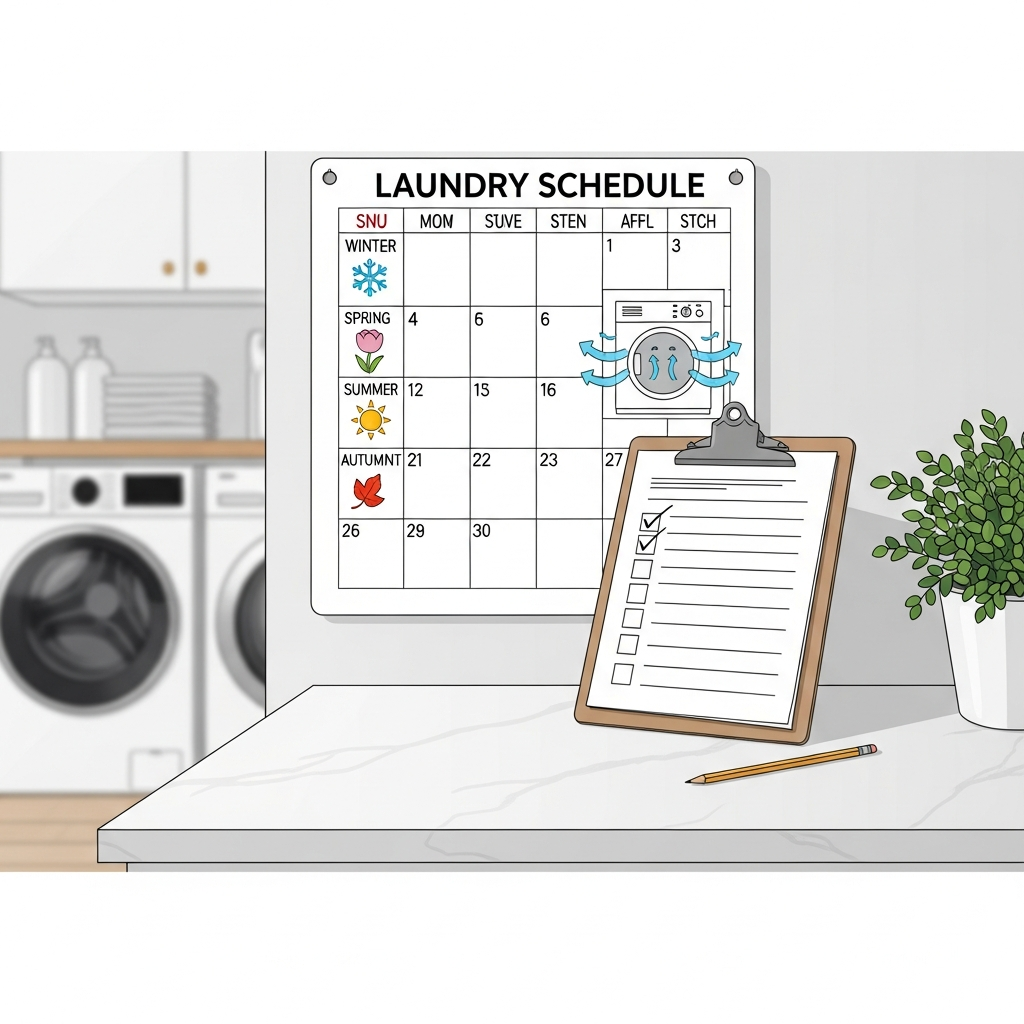
Readington’s climate adds its own rhythm. Humid summers can cause lint to cling to duct walls, especially in longer runs that pass through unconditioned spaces. In winter, cool ducts can encourage condensation when warm, moist exhaust meets cold metal. Both conditions make lint more likely to stick and compact. Planning cleanings around seasonal transitions—such as early spring and late summer—helps keep performance steady despite shifting weather.
Seasonal routines also matter. Holidays often bring spikes in laundry volume as guests arrive and bedding cycles increase. Back-to-school season can ramp up athletic wear and uniforms. A preventive cleaning ahead of these periods ensures your dryer is ready for the added workload and lets you focus on your schedule instead of second-guessing dry times.
Home Layout and Vent Length
Vent geometry is a major factor in how quickly lint accumulates. Short, straight runs tend to stay cleaner longer, while long ducts with multiple elbows create more opportunities for buildup and airflow resistance. Upper-floor laundry closets that vent to a roof or high exterior wall often require a more proactive schedule, as lint and moisture must travel farther and gravity can work against smooth flow. Basements and attics may introduce sags where lint and moisture settle—a problem professionals can correct with better support but one that still benefits from attentive maintenance.
If you have recently remodeled, moved your laundry area, or added square footage to your home, reevaluate your maintenance interval. Even small changes to the vent path can alter how quickly lint accumulates, and the right schedule evolves with your home.
Signs That Tell You It Is Time
While a calendar reminder is helpful, your dryer’s behavior is the most accurate guide. When loads take longer than they used to with no change in fabric type or load size, airflow is likely compromised. If the dryer’s exterior feels hotter than normal or the laundry room becomes unusually warm and humid, the vent may be restricting exhaust. Check clothing at the end of the cycle—if items feel warm but damp or carry more lint than usual, consider moving up your next cleaning.
Step outside during a cycle and look at the vent hood. Strong, steady airflow that lifts the damper fully is a good sign. Weak airflow or a damper that barely opens points to a restriction somewhere in the line. Do not ignore burning smells, scorching, or a vent hood clogged with lint; these are urgent indicators that require prompt professional attention.
Aligning Schedules With Household Volume
It helps to think of frequency as a spectrum. On one end are high-volume homes: large families, frequent towels and bedding, sports uniforms, and pet items. These households may find their performance sweet spot with more frequent appointments. On the other end are low-volume homes with lighter loads, careful sorting, and routine lint screen cleaning every cycle; they can maintain strong results with a longer interval. Most Readington homes live somewhere between these poles, adjusting cadence up or down based on changing life events.
Whatever your starting point, consistency beats perfection. Choose an interval, document each visit, and note how your dryer behaves month to month. With that simple record, you will quickly dial in a schedule that fits your life without over- or under-servicing.
Maintenance Habits That Extend the Interval
Several small habits support a clean vent and can lengthen the time between professional visits. Clean the lint screen before or after every load, even when it looks only lightly coated. Avoid overfilling the dryer; packed drums restrict tumbling and trap moisture, which means longer cycles and more lint driven into the vent. Keep a gentle curve in the transition connector behind the dryer instead of a sharp bend, and do not push the appliance so close to the wall that the connector kinks.
Outside, check that the damper opens freely and closes properly when the dryer stops. If it sticks, mention it during your next appointment. Consider grouping similar fabrics together—heavy cottons with heavy cottons, synthetics with synthetics—so loads dry evenly and quickly. Faster, more efficient cycles reduce stress on the vent system and slow lint accumulation.
When to Shorten Your Interval
Some situations call for tighter scheduling even if you usually run a moderate laundry volume. If you have recently upgraded to a high-capacity washer and dryer, you may be processing larger loads than before. If you notice construction dust, pet hair shedding season, or a spike in athletic gear, add a checkup sooner. After home renovations that alter airflow paths or create dust, it is smart to reset your vent’s cleanliness rather than assuming everything is fine behind the walls.
Another cue is persistent moisture. If you consistently find dampness in the laundry space or see condensation around the vent line, act quickly. Moisture helps lint adhere more tenaciously and invites compacted buildup that takes more time to remove later.
Frequently Asked Questions
Q: Is there a universal rule for how often to clean a dryer vent? A: No single rule fits every home. Start with a professional baseline and then adjust according to your household’s laundry volume, vent length and complexity, and the performance you observe between visits.
Q: What if I live alone and do only a few loads a week? A: Light-use homes can often go longer between cleanings, especially with good habits like diligent lint screen care and balanced loads. Monitor dry times and exterior airflow to decide when to schedule the next visit.
Q: Does the time of year matter in Readington? A: Yes. Seasonal humidity and temperature swings affect how lint and moisture behave inside the duct. Many residents choose spring and late-summer cleanings to smooth out those transitions.
Q: How do I know if my schedule is too infrequent? A: Look for creeping dry times, hotter dryer surfaces, musty smells, or weak airflow at the exterior hood. These signs mean it is time to move your appointment sooner.
Q: Can I rely on a DIY brush kit to stretch the interval? A: DIY tools may help in very short, straight runs, but many homes have longer ducts with elbows and concealed sections that require professional tools and verification. Use DIY as light maintenance, not a replacement for expert service.
Mid-Cycle Checkups and Communication
If you are experimenting with intervals, consider a quick mid-cycle check: walk outside during a dryer run, note airflow strength, and listen for the damper moving freely. Inside, feel the dryer’s top and sides. A cooler exterior usually correlates with better airflow. Keep a simple note on your calendar so trends are easy to spot. If performance dips, reach out before your scheduled date; proactive dryer vent cleaning restores stability and prevents small issues from snowballing into larger concerns.
Communication with your service provider matters, too. Share any life changes—new baby, new pets, a remodel—so they can recommend adjustments. When a technician understands your reality, they can tailor guidance that respects your time and goals.
Build a Predictable Routine
Reliability is the heart of a good maintenance plan. When your dryer finishes loads on schedule and your laundry space stays comfortable, daily life feels easier. Find an interval that delivers that predictability and stick with it. Put your next appointment on the calendar as you wrap up each visit, and make small at-home practices part of your routine. This simple structure is often all it takes to keep performance high without over-thinking it.
Ready to lock in a schedule that matches your life in Readington? Book a convenient appointment for professional dryer vent cleaning and enjoy steadier dry times, calmer laundry days, and the confidence that comes with a clean, efficient vent.
