Keeping your home’s ducts clean is a practical way to support healthy air, consistent comfort, and a tidy space—especially in Readington, New Jersey, where seasonal changes and rural landscapes can influence indoor air quality. Whether your family is dealing with spring pollen, pet dander, or dust from recent projects, thoughtful maintenance goes a long way. These homeowner-friendly tips will help you manage everyday dust, recognize when to call in the pros, and prepare for a smooth visit when you schedule air duct cleaning.
Start with filtration that fits your system
Filters are your first line of defense. Choose a filter that your blower can handle comfortably while still capturing fine particles. Many Readington homes do well with mid-range MERV filters that balance airflow with filtration. Check your filter monthly at the start, then set a cadence that matches your household—more frequently if you have pets, allergies, or ongoing projects. A clean filter reduces dust reaching ducts and helps keep your blower wheel cleaner too.
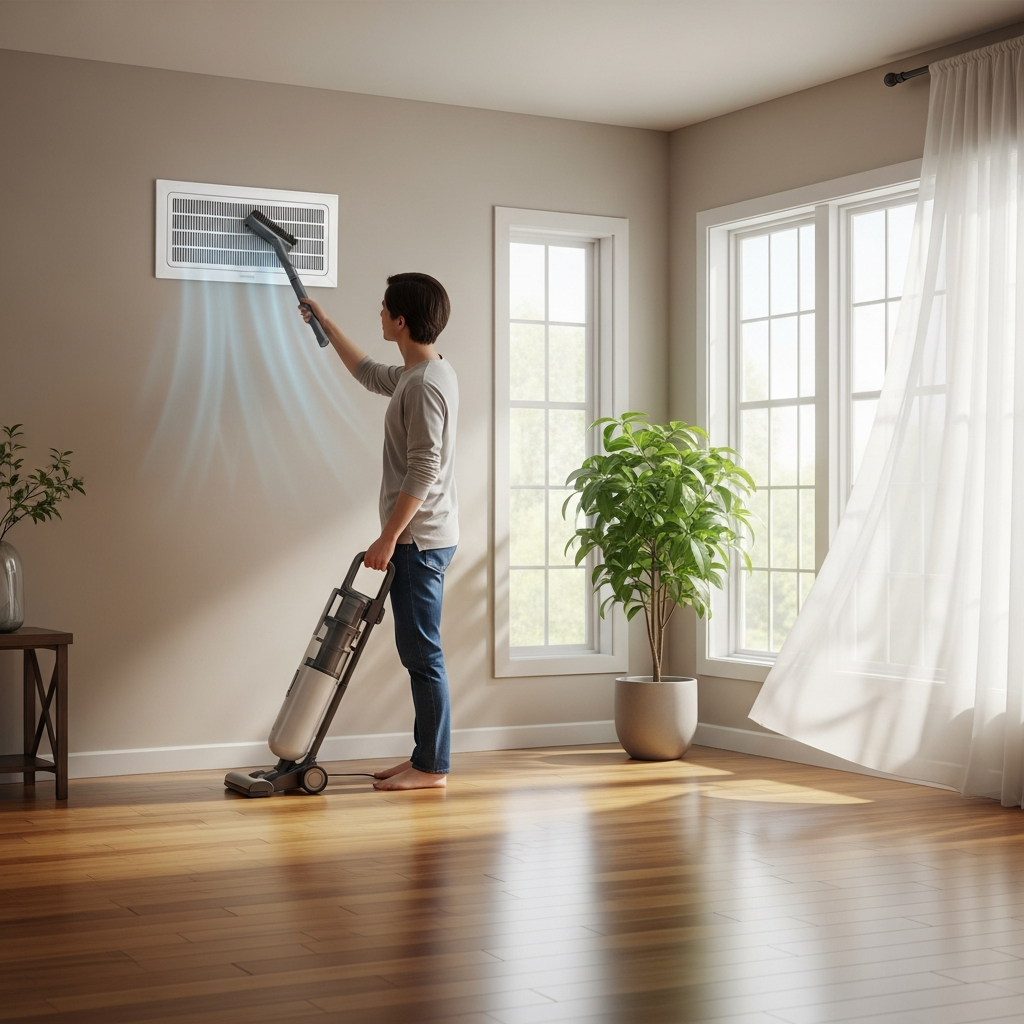
Vacuum vents and returns when you dust
It is simple, but effective: when you dust your home, include vent covers and returns. Use a brush attachment to capture surface dust so it does not drift back inside when the blower starts. If you remove vent covers for a deeper clean, be gentle with the screws and beware of dropping small items into the duct opening. Surface cleaning helps, but remember that deeper debris inside the branches still requires professional tools and containment.
Control sources of dust and moisture
- Use entry mats and remove shoes to limit tracked-in dirt.
- Run bathroom exhaust fans and kitchen vents to manage humidity and fumes.
- Address water leaks quickly to discourage microbial growth.
- Contain sanding, drywall, or cutting projects and close nearby vents while working.
- Keep storage areas near returns tidy to reduce dust draw-in.
Mind the returns
Returns pull air back to the system and often collect more dust than supply vents. Keep furniture and drapes from blocking them. If you hear a whistling sound or feel strong suction around makeshift gaps, you may have leaky ducts or undersized returns. A professional can evaluate and recommend sealing or adjustments to improve airflow and cleanliness.
Know the signs that it is time for a deeper clean
- Dust reappears on surfaces quickly after cleaning.
- You see debris or pet hair inside vent openings.
- Uneven room temperatures persist even with a fresh filter.
- There was recent remodeling that produced fine dust.
- There are musty odors when the system cycles on.
While routine housekeeping helps, only comprehensive, contained source removal clears debris from deep inside branch lines, returns, and the blower cabinet. That is where professional methods make a decisive difference.
Prepare your home for a smooth appointment
- Clear a pathway to each vent and return; move small furniture or decor as needed.
- Secure pets and plan for doors opening as equipment is brought inside.
- Share comfort concerns with the technician so they can inspect those runs closely.
- Have a fresh filter ready to install after the service is complete.
Good preparation helps technicians focus on careful setup and thorough cleaning rather than moving items out of the way. It also shortens the total time in your home.
What a professional service includes
A quality provider creates access to trunks, establishes negative pressure, and agitates each branch line with the right tool for the duct material—metal, duct board, or flex—so debris is directed into a collection unit. Registers and returns are cleaned, and the blower compartment is addressed because dust there can otherwise be redistributed through your home. The process is designed to be controlled, contained, and comprehensive.
Readington-specific tips to reduce buildup
- During high-pollen weeks, keep windows closed and rely on your HVAC for filtration.
- After outdoor activities, shake out clothing and gear away from returns.
- If you heat with a fireplace or stove, manage ash carefully and keep nearby returns clean.
- Seal obvious duct leaks in basements or attics to reduce infiltration of dusty air.
These habits help extend the time between professional visits and keep daily dust to a minimum. If you have allergy-prone family members, consider upgrading filter quality within your system’s capabilities and maintaining a regular change schedule.
Mid-year check: Is your system due?
Halfway through the year, take a quick inventory. Are certain rooms still running stuffy? Do surfaces feel dusty a day after you clean? Did you complete a renovation recently? If you answer yes to any of these, your home may benefit from professional attention. Coordinating a mid-year or seasonal service keeps your home feeling fresh and supports consistent comfort throughout Readington’s temperature swings.
When you are ready to compare options, look for transparent methods and complete, whole-system attention. The most impactful results come from professional air duct cleaning that addresses supply and return sides, manages containment carefully, and provides documentation of what was removed.
Frequently asked questions
Q: Can I clean ducts myself with a shop vacuum? A: You can remove surface dust at registers, but deep cleaning requires negative pressure and specialized agitation tools. DIY attempts can dislodge debris without capturing it, spreading dust instead of removing it.
Q: How often should I schedule cleaning? A: Frequency depends on pets, allergies, renovation history, and personal preferences. Many households benefit from inspection every two to three years, then cleaning as needed.
Q: Will cleaning help with odors? A: Removing dusty buildup and addressing return contamination often reduces musty or stale smells when the system turns on. Persistent odors may also point to other issues the technician can help identify.
Q: Do I need to leave during the service? A: Most homeowners stay on-site. Expect the sound of vacuum equipment and air tools. Technicians will explain when doors need to be open and how they protect floors and furnishings.
Q: Are chemicals used? A: The core of professional service is physical source removal. Deodorizers or sanitizers are applied only when appropriate for the system and situation.
Q: Will all rooms be addressed? A: Yes. Each supply and return branch is on the checklist, along with registers and the blower compartment. Skipping returns or focusing only on vent covers is not a complete approach.
Plan your next step
Give your family the benefit of cleaner air and steadier comfort by choosing an experienced local team that explains the process and treats your home with care. Book professional air duct cleaning and enjoy the difference a meticulous, contained service can make in your Readington home.
