Well-sealed, well-maintained air ducts are essential to comfort, efficiency, and clean indoor air. In Readington, New Jersey, where summer humidity and winter chills put duct systems through dramatic seasonal shifts, a practical plan that blends repair and routine maintenance can prevent surprise breakdowns and uneven room temperatures. Whether you are addressing a specific problem or building a year-round habit of care, these tips will help you work safely, choose the right materials, and focus on actions that deliver measurable results in the rooms where your family lives.
Think of your duct system as a hidden highway for conditioned air. Every gap lets that air escape into attics or basements instead of rooms. Every kink or crushed bend becomes a traffic jam that slows delivery to bedrooms and living areas. And every missing piece of insulation allows temperature swings to steal comfort on the way to registers. Your aim is to keep the highway smooth, sealed, and protected. If you map your ducts, follow a careful process, and verify results afterward, you can make durable improvements. If you uncover more than you bargained for, partner with a pro. Scheduling expert air duct repair is a smart way to combine your observations with specialized tools and experience.
Safety always comes first
Before any repair or inspection, shut off the HVAC system at the thermostat and breaker. Wear gloves to guard against sharp sheet metal, use eye protection for falling dust or debris, and consider a respirator when working around old insulation or in dusty attics and basements. Good lighting and a stable platform are critical in attics; use plywood across joists so you are not balancing on drywall. Keep kids and pets out of your work area, and have a first-aid kit handy. If you suspect asbestos, mold, or compromised electrical connections, stop and call a professional.
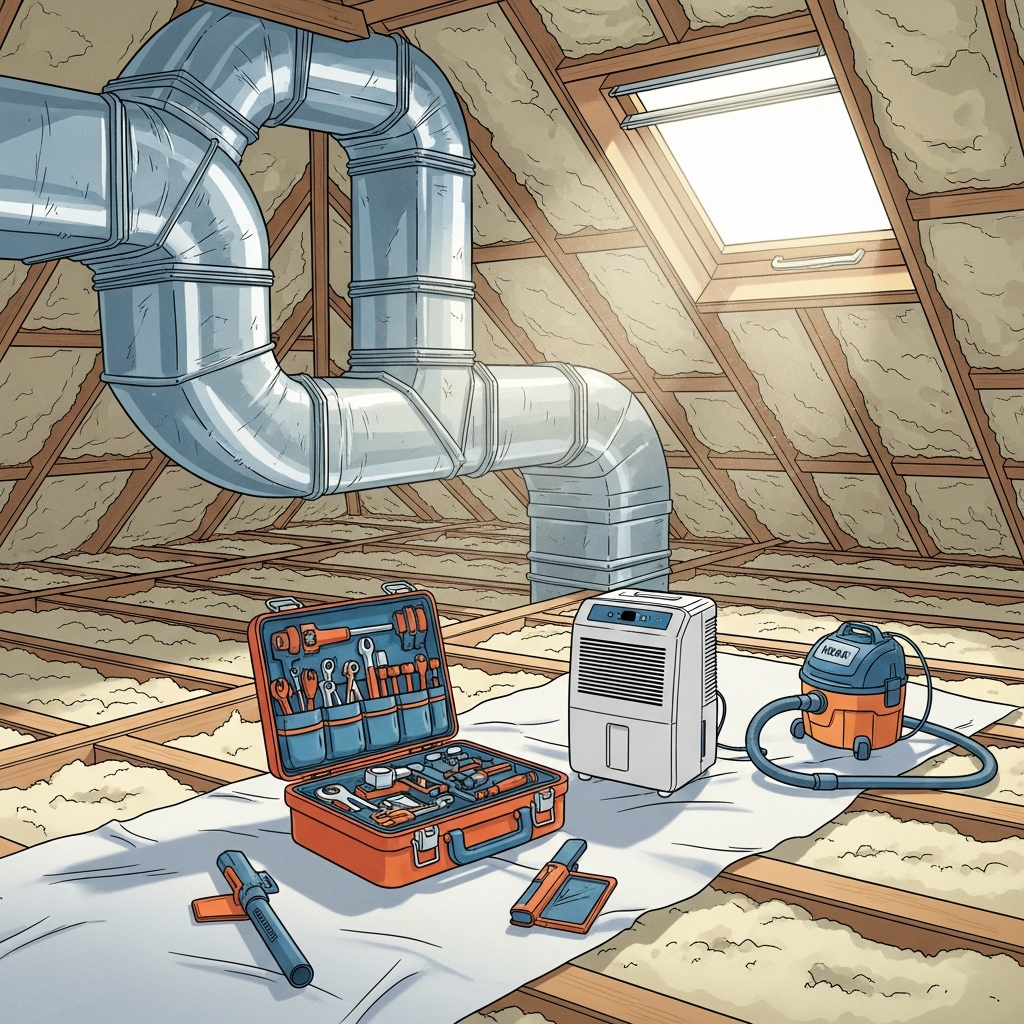
Plan your work area to stay organized and reduce risks. Lay out tools—mastic, UL-listed foil tape, screws, clamps, a cordless driver, snips, rags, and a HEPA vacuum—so you can reach them without stretching into unsafe positions. Keep hydration nearby if you are working in a warm attic, and schedule the task for morning hours on hot days. Safety is a mindset that continues throughout the project, from the first inspection to the final test run.
Diagnose common duct issues
Identify signs that point to specific repairs. Uneven temperatures often indicate leaks near the air handler or restrictions in long branches. Whistling suggests small gaps at seams or around boots. Rattles or drumming can mean loose fasteners or insufficient support. Dust streaks along seams are classic evidence of leakage. In Readington homes, flexible ducts sometimes sag between supports, and metal trunks may have dried or cracked mastic from years of operation through humid summers and cold winters.
Check the return side with the same care you give to supply runs. Unsealed returns can pull dusty basement air or attic air into your system, coating the coil and reducing air quality. Ensure the filter fits tightly with no bypass gaps. If your returns are located near workshops, laundry areas, or utility rooms, make sure any openings are sealed so odors and particles are not pulled into living spaces.
Execute durable repairs
Start with surface preparation. Clean and dry areas you plan to seal so mastic and foil tape adhere well. Apply mastic to seams, takeoffs, and the bases of boots. Where movement or vibration occurs, reinforce with firmly burnished foil tape. For flexible duct connections, secure the inner liner over the collar using a mechanical clamp before sealing the outer jacket seam. Replace crushed sections that do not recover their shape; trying to force performance through damaged flex only creates turbulence and noise.
Upgrade supports for flexible duct spans so they remain level and smooth. Use wide, smooth straps placed frequently enough to prevent sagging. Avoid tight bends; gentle sweeps keep airflow steady and quiet. At the air handler, check for vibration sources and ensure panels close securely without pinching insulation. Keep service access clear and never seal panels shut.
Control condensation and protect insulation
Ducts that run through unconditioned spaces must be insulated. In humid Readington summers, cold supply air can cause bare metal to sweat, risking rust and nearby mold growth. After sealing, wrap ducts with the recommended R-value and seal all seams in the insulation to maintain a vapor barrier. Inspect insulation near boots and transitions where gaps often form. Avoid compressing insulation under straps; compression reduces its effectiveness.
Look for water stains or rust that might indicate ongoing condensation. Verify that the air handler’s condensate drain is clear, as a clogged drain can add unwanted moisture to the return plenum. Correcting moisture issues not only protects ducts but also supports healthier indoor air.
Balance the system thoughtfully
Once sealing and insulation are complete, turn the system back on and listen for remaining leaks or loose sections. Use a tissue at each register to compare airflow before and after repairs. Make small damper adjustments to improve comfort in distant rooms, and allow time between changes to judge their effects. Avoid the temptation to close registers completely; doing so can raise system pressure and stress the blower. Instead, use incremental adjustments and verify results in the rooms where you spend the most time.
As seasons change, recheck performance. Winter dryness and summer humidity can alter materials slightly, so an autumn and spring check will keep airflow tuned. If balancing remains tricky, consult a professional who can measure static pressure and advise on layout changes that go beyond DIY scope.
Readington-specific maintenance rhythm
Set a twice-yearly maintenance routine that fits our local climate. In late spring, inspect for condensation risks, review insulation integrity, and verify drain lines. In early fall, confirm that seals remained tight through the summer and that supports for flexible ducts have not loosened. Keep storage away from attic ducts, and do not rest items on runs that cross the floor of storage spaces. If your property borders wooded areas, inspect for signs of pests disturbing insulation and address promptly.
Basements in Readington often serve multiple purposes—from storage to hobby spaces. Make sure returns are not open to areas with sawdust, chemicals, or laundry byproducts. Seal gaps at plenums and ensure the filter housing is airtight. Small attention to these details dramatically improves air quality and system cleanliness.
Common pitfalls to avoid
Do not use ordinary cloth duct tape; it dries and fails. Do not overtighten screws, which can distort thin metal and open new gaps. Avoid compressing insulation or creating sharp flex bends. Do not block service panels with sealant or insulation. Finally, do not ignore safety warnings when you encounter electrical wiring, gas lines, or signs of asbestos; stop and call a professional.
Frequently asked questions
How can I tell if leakage is significant? If you see dust streaks at seams or feel air movement at joints when the blower is on, the leak is worth sealing. Significant leaks often show up as comfort issues in the rooms farthest from the air handler.
What materials provide the best long-term seal? HVAC-rated mastic paired with UL-listed foil tape delivers durable, flexible seals that hold through seasonal changes common in New Jersey.
Should I insulate returns as well as supplies? Yes, any duct section that passes through unconditioned space benefits from insulation to guard against condensation and temperature loss or gain.
Why is my system noisier after a change? New airflow patterns can reveal loose ducts or poorly supported runs. Recheck fasteners and supports, and add vibration isolation near the air handler if needed, without restricting airflow.
Is it safe to access attic ductwork in summer? Plan for early morning work, hydrate, and use stable platforms. If temperatures are extreme or access is unsafe, postpone or hire a professional to prevent heat-related risks.
Put your plan into action
With a careful approach, you can make meaningful, lasting improvements to your duct system. Prepare thoroughly, work methodically, and document your results so you can maintain them season after season. If parts of the system remain out of reach or symptoms persist despite your best efforts, team up with a local expert who understands Readington’s homes and climate nuances. For a smooth, efficient path to restored comfort and cleaner indoor air, schedule reliable air duct repair services and enjoy balanced airflow throughout every room in your home.
