When laundry starts taking too long, the dryer feels unusually hot, or an odd smell lingers in the laundry room, troubleshooting your dryer vent becomes essential. In Readington, New Jersey, seasonal humidity, outdoor debris, and everyday lint accumulation can combine to restrict airflow. A thoughtful troubleshooting process helps you determine whether a quick homeowner check will resolve the issue or whether it is time to schedule professional service. This guide outlines the most common symptoms, simple tests you can perform safely, and the steps a trained technician will take to restore proper vent function. If your observations point to a more involved problem, consider booking expert dryer vent cleaning so a local pro can clear the run and verify performance end to end.
Symptom: long dry times
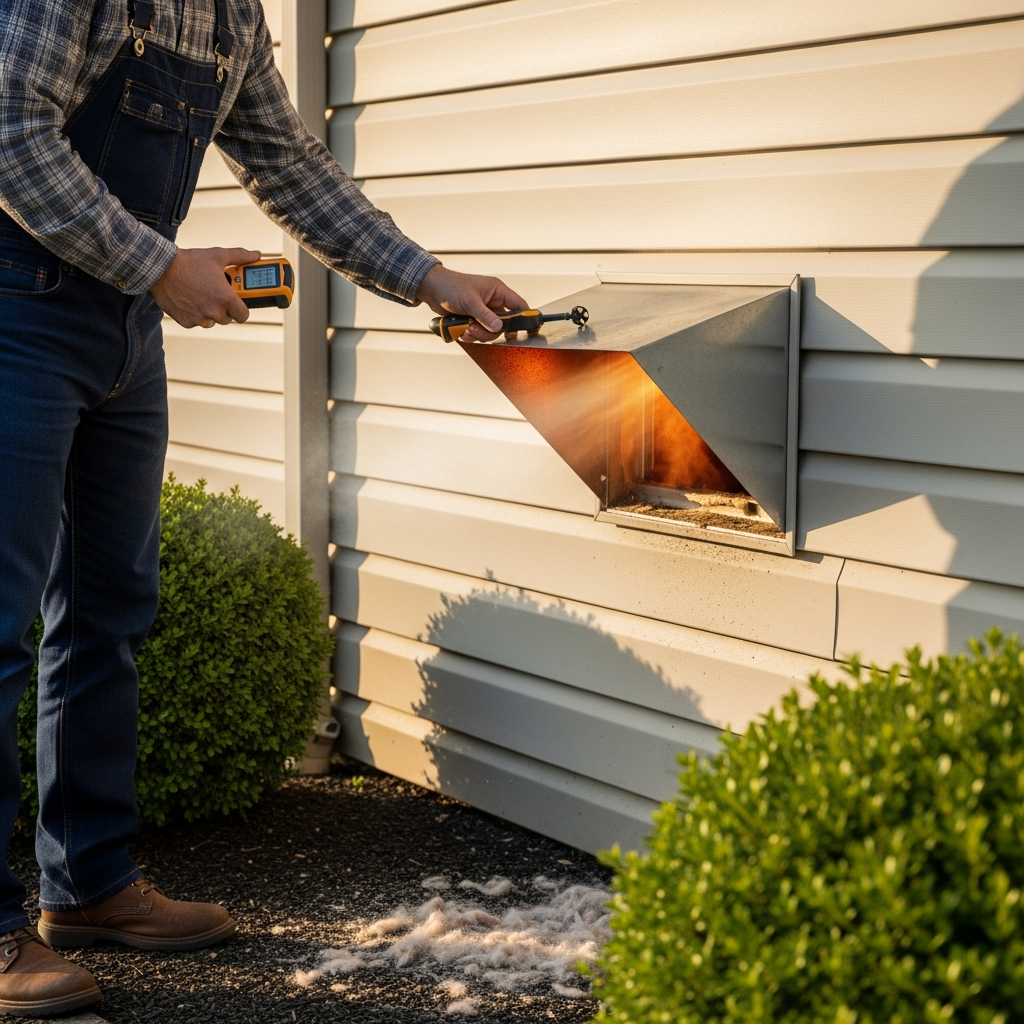
When a normal load runs significantly longer than usual, restricted airflow is a prime suspect. Start by cleaning the lint screen and ensuring the load size is reasonable for the drum. Next, observe the exterior termination during a cycle. The flap should open decisively and stay open while the dryer runs. If it barely lifts, or if no warm air is felt at the hood, there is likely a blockage in the vent or a crush behind the machine. Heavy towel and bedding loads can create more lint, especially after a vacation or sports season. If simple checks do not help, a professional cleaning will brush and vacuum the full path and re-test airflow.
Symptom: hot or humid laundry room
Excess heat or humidity around the dryer indicates exhaust is not reaching outdoors efficiently. Poorly sealed connections can leak moist air into the room, and clogs in elbows or long runs can slow flow to a trickle. Peek behind the dryer for lint streaks or a partially disconnected transition duct. If you are comfortable, gently pull the dryer forward to inspect for kinks or crushing. A semi-rigid metal transition duct with a smooth, short path is ideal. If the exterior flap is stuck closed by paint, nesting material, or weathering, your dryer will struggle. A thorough cleaning paired with a termination check usually resolves these conditions and cools the laundry space quickly.
Symptom: burning or musty odors
A hot, scorched smell suggests lint is collecting near a heat source or that the dryer is cycling harder than it should. A musty odor points to damp exhaust lingering in the duct or escaping into the room. Verify the lint screen is clean and free of residue from dryer sheets, which can create a film that slows airflow. Inspect the exterior hood for signs of blockage. If odors persist, do not ignore them. A professional cleaning removes compacted lint that ordinary vacuuming cannot reach and confirms that exhaust is moving outside swiftly.
Symptom: lint around the dryer or in the room
Lint on the floor, along baseboards, or on nearby shelves indicates leakage at the transition duct or the wall connection. Over time, vibrations can loosen clamps, and lightweight foil ducts can tear or crush, sending lint-laden air into the room. Replacing the transition duct with semi-rigid metal and securing proper clamps helps, but it is also important to clear any obstruction inside the vent so pressure does not force lint through weak spots. After cleaning and reassembly, a quick test run should show a cleaner, steadier exhaust path with less dust settling behind the machine.
Symptom: exterior flap stuck or chattering
A vent hood that will not open, or that rattles constantly, undermines drying performance. Paint, corrosion, or a bird guard clogged with lint can hold the flap shut. Conversely, a flap stuck open invites pests and weather into the duct, leading to moisture and debris inside. The remedy is to ensure a proper dryer-specific termination that opens easily and closes securely without fine mesh that traps lint. After a professional clears obstructions and verifies smooth operation, you should see the flap open strongly during cycles and close neatly afterward.
Simple homeowner tests
Before you call for service, try a few safe observations. With the dryer running on a warm setting, check whether the exterior flap opens fully and whether the exhaust feels smooth and steady. Inside, listen for labored operation or excessive heat cycling. Confirm the lint screen is clean and free of residue by rinsing it with warm water; if water pools on the mesh, wash it with a drop of dish soap and dry thoroughly. Gently pull the dryer forward to ensure the transition duct has a direct, uncrushed path. If your unit is stacked or in a tight closet, avoid forcing movements that could damage connections—leave detailed inspection to a professional.
When to call a professional
If the exterior flap barely moves, if you smell a persistent burnt or musty odor, or if your laundry room grows hot during every cycle, it is time for a thorough cleaning and inspection. Long or complex vent runs, rooftop terminations, and visible damage to the transition duct are also reasons to bring in a pro. A technician will map the route, brush and vacuum the duct from accessible ends, and confirm that the termination opens freely. They will also evaluate materials, replace weak transition sections when appropriate, and verify airflow on a test cycle. This comprehensive approach addresses both symptoms and causes.
What a professional does differently
Professional equipment and technique make a measurable difference. Rotary brushes loosen lint across the full diameter of the duct, while high-powered vacuums capture debris without scattering dust into the room. Pros work from multiple access points to ensure elbows and low spots are cleared. They also check for conditions that create recurring problems: sagging duct runs that collect moisture, elbows installed too tightly, or hoods with louvers that stick. Where needed, they recommend material upgrades and route improvements. The result is an exhaust path that stays clear longer, a dryer that runs more predictably, and a laundry area that remains cooler and cleaner.
Readington-specific challenges
Local climate shifts affect troubleshooting. In summer humidity, lint mats can become denser, making the dryer labor more to push moist air out. In winter, cold exterior-wall runs accumulate condensation that glues lint to elbows and seams. Spring nesting behavior can obstruct wall or soffit hoods within days. Leaves and wind-blown debris in autumn settle around terminations. Recognizing these seasonal patterns helps you interpret symptoms quickly and schedule service at the right moment. A technician familiar with Readington homes knows to look closely at exterior caps after storms and to inspect long horizontal runs for subtle sags that trap moisture.
Preventative practices that reduce troubleshooting later
A few habits reduce the likelihood of airflow problems. Clean the lint screen before every load and periodically wash it to remove invisible film. Avoid overloading the dryer; bulky loads reduce tumbling and trap moisture. Use semi-rigid metal for the short transition duct and keep it as short and straight as possible. Ensure the dryer sits with adequate clearance so the duct is not crushed when the appliance is pushed back. Occasionally observe the exterior flap while the dryer runs and confirm it opens decisively. Promptly address any chirping, rattling, or sticking you notice at the termination.
Special cases: error codes and intermittent issues
Some dryers display alerts that hint at restricted airflow or temperature irregularities. If your unit signals a vent or flow issue, begin with the basics: lint screen care, a quick check of the exterior flap, and a look for a crushed transition behind the machine. Intermittent symptoms—like cycles that run long one day and normal the next—often reflect a marginal restriction that worsens with certain loads, humidity levels, or partial blockages at the hood. A professional cleaning resets the system by removing compacted lint and confirming smooth operation. If symptoms persist afterward, the technician can explore other causes, such as a failing moisture sensor or control setting issues.
After cleaning: confirming success
Post-service, you should notice steadier drying, a cooler-running appliance, and a more neutral smell in the laundry room. The exterior flap ought to snap open under exhaust and close smoothly afterward. Keep an eye on the first few cycles to confirm performance is consistent. If your technician recommended any material changes—like replacing a flimsy transition duct—make those updates promptly to preserve results and reduce future troubleshooting. Document the appointment date and any observations so you can plan the next maintenance interval effectively.
As you weigh your troubleshooting results, you may decide that professional help is the most efficient path forward. Readington’s housing mix includes long vent runs, tight laundry closets, and various terminations that benefit from a methodical approach. When you prefer a thorough solution that addresses root causes rather than symptoms alone, schedule professional dryer vent cleaning and let a local specialist confirm airflow from the dryer drum all the way to the outdoors.
Frequently asked questions
Q: How do I know if the vent or the dryer is the problem? A: Start with the exterior flap—weak or no movement during a cycle points to a vent issue. If the flap opens fully but drying is still slow, the dryer’s sensors, heating element, or controls may need attention after the vent is confirmed clear.
Q: Can I use a shop vacuum to clear the vent? A: A shop vacuum can collect loose lint at accessible points, but it usually cannot reach deep into long ducts or scrub elbows effectively. Professional rotary brushes and high-powered vacuums are designed for full-path cleaning.
Q: Is it safe to run the dryer if I smell something burning? A: No. Stop using the appliance and schedule service. A hot, scorched odor can indicate lint accumulation near heat sources or extreme airflow restriction.
Q: Why does the flap keep sticking? A: Paint, corrosion, or lint buildup on louvers can cause sticking. A proper dryer vent termination with a smooth-moving flap, verified during cleaning, usually resolves the issue.
Q: Do townhomes or condos require special troubleshooting? A: Yes. Shared walls, longer routes, and restricted exterior access call for careful mapping and coordination. Mention your layout when scheduling so a technician arrives prepared.
Take the next step toward reliable drying
If you have tried basic checks and symptoms persist, the most effective fix is a thorough, methodical service that addresses both the vent interior and the termination. A careful cleaning reduces heat buildup, normalizes cycle times, and lowers the chance of recurring problems. For a complete solution from a Readington team that understands local homes and seasonal conditions, schedule professional dryer vent cleaning and enjoy a cooler laundry room, faster dry times, and dependable performance.
